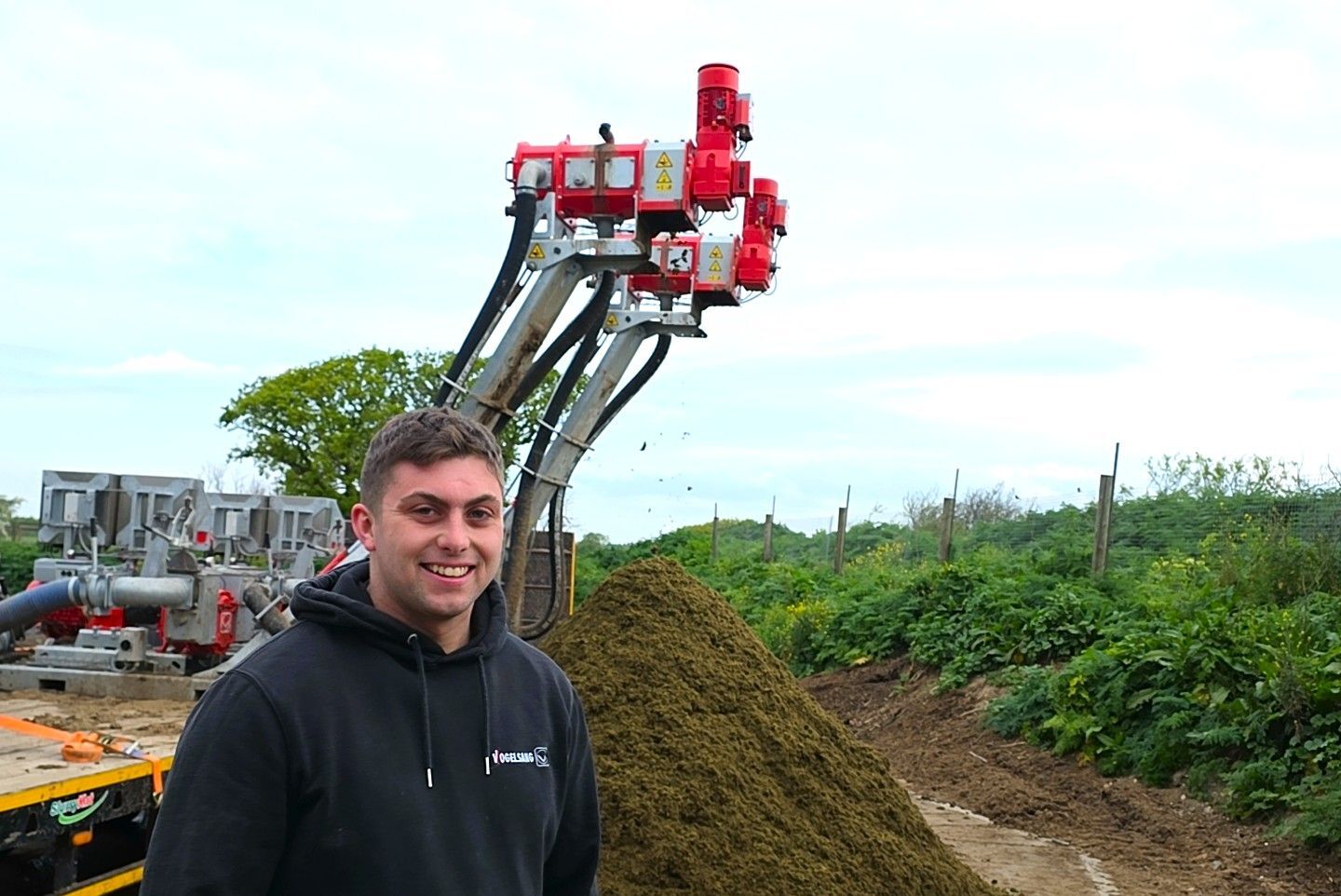

With FETF grants making slurry separators more affordable, there is increased interest in how to make improvements to grassland using separated slurry. This, coupled with another sharp rise in fertiliser prices, presents an opportunity for many dairy farms to make significant savings.
A 2026 study* has set out the numerous benefits that separation offers farms with grassland systems. The study identifies that the use of separated slurry significantly increased plant productivity by 12 percent, plant Nitrogen (N) uptake by 21 percent, and total biomass harvest N export by 20 percent compared to an unseparated slurry alternative.
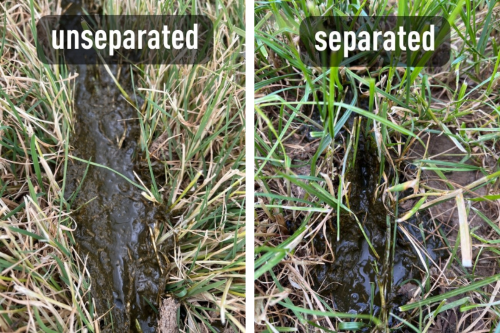
For farms looking to reduce reliance on bought-in fertiliser, the study also showed that fertiliser N-retention in topsoil organic N (SON) increased by 8 percent. The knock-on effects led to higher plant uptake and higher soil storage of fertiliser N, with total gaseous N losses from separated slurry reducing by almost 25 percent.
Slurry specialist Andy Hayhurst from Vogelsang, and Eurofins Agro’s Shane Brewer, advocate that its findings can help farms to utilise slurry more efficiently to boost grassland productivity.
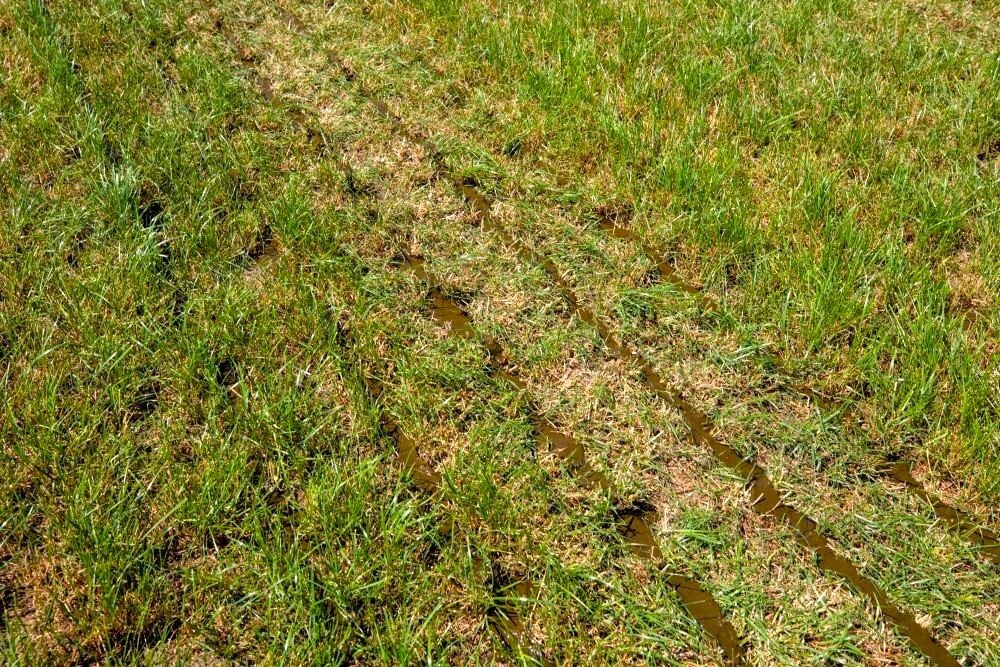
“Separation makes slurry more manageable and enables it to be applied more accurately. The study suggests that applying a separated liquid in spring when soil microbial activity is lower will help reduce the loss of precious N and other important nutrients. Subsequently using the solid fraction is more efficient in summer and that this combination can help reduce harmful greenhouse gas emissions such as ammonia being released when slurry is applied,” says Mr Hayhurst.
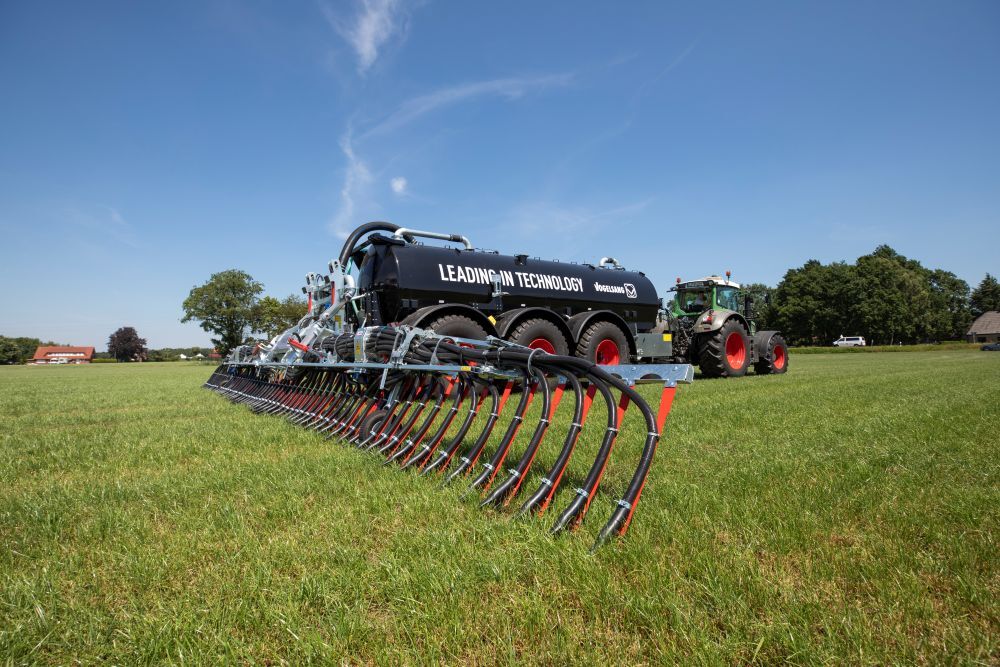
The shift towards using dribble bar and trailing shoe applicators, such as the Vogelsang BlackBird, has also given rise to slurry separators, including the Vogelsang XSplit, which provide a liquid fraction that can be pumped faster and more efficiently using narrower hoses. Using precision applicators also enables operators to get the N rich liquid directly on to the soil, which Mr Brewer suggests is a key agronomic benefit.
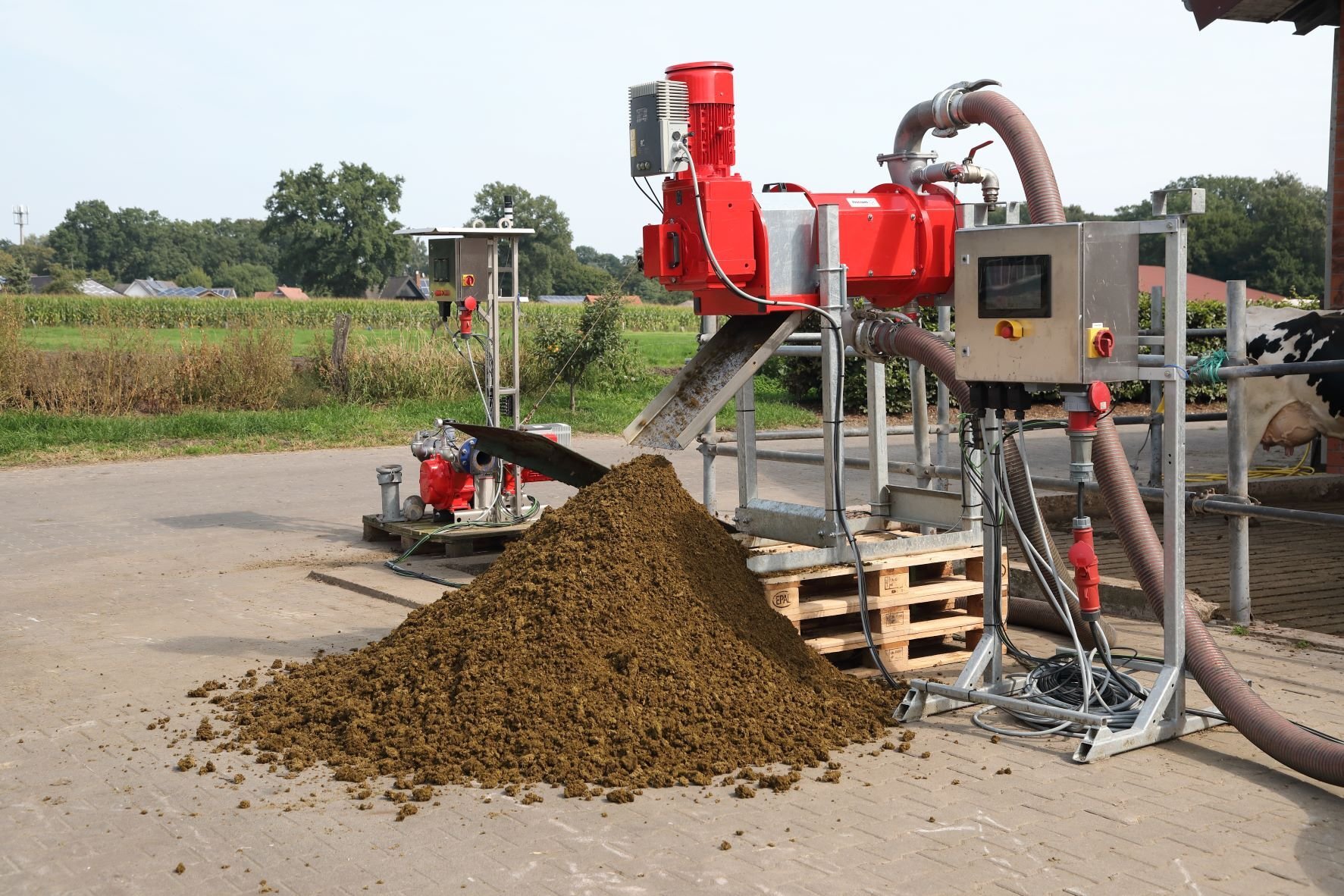
“Soil health is more easily controlled when an accurate calculation of available nutrients is made. Therefore, farms that test soil to establish the nutrient need, and subsequently test separated slurry to establish its content, will be able to use flow meters to apply the optimum volume of slurry to each field based on what the soil and the crop need,” he says.
During the spring and summer months when soils can be dry and potentially drought stricken, as was seen in 2025, having a more liquid slurry to apply has additional advantages, especially for grassland.
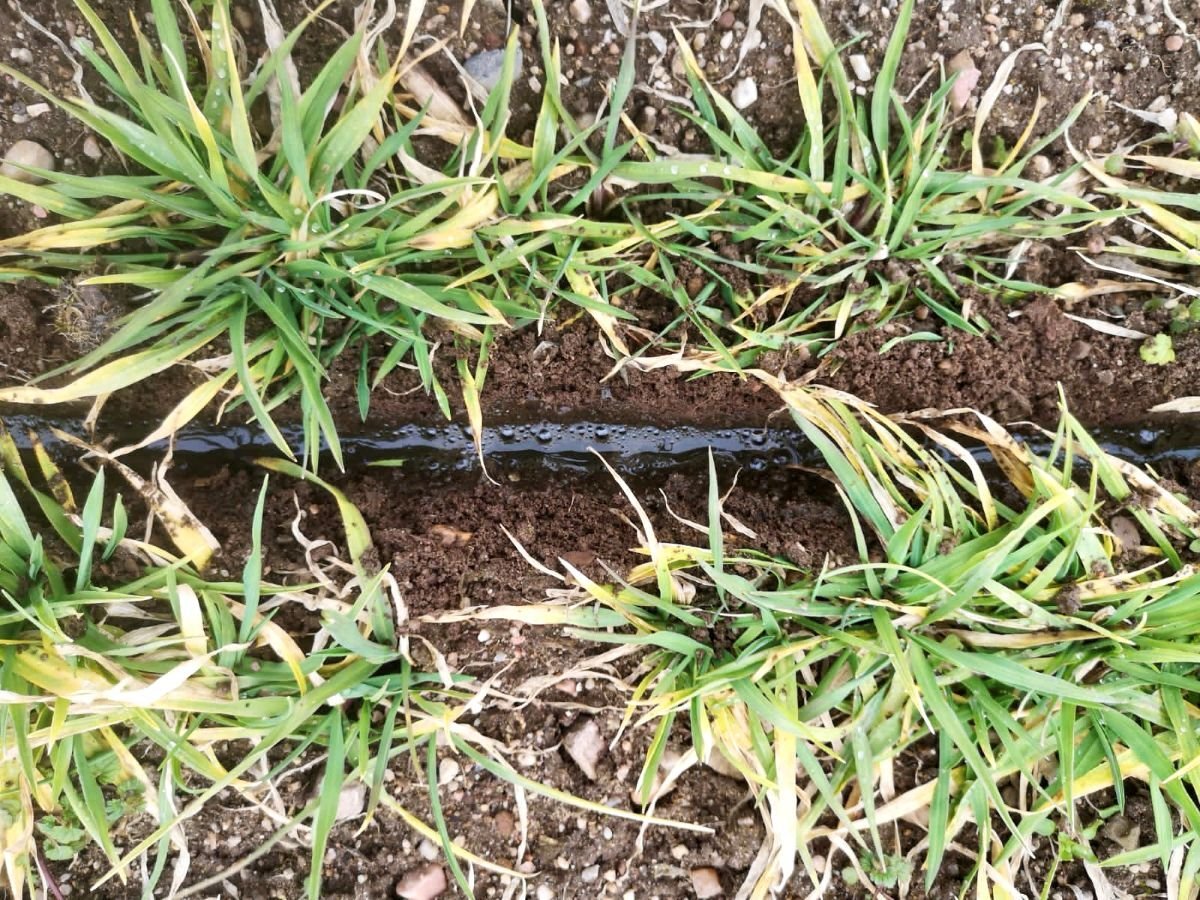
“Last year, some farms will have seen slurry drying rapidly on the surface, with many of the vital nutrients locked up in the dry matter that was left either on grass or on top of the soil. The ability to utilise granular fertilisers dissipates during hot weather, especially when there is no rainfall, so having a ready supply of easily absorbed liquid slurry can help provide vital nutrients at this time,” says Mr Hayhurst.
For farms looking to multi-cut systems to feed housed cattle and produce more milk from forage, the use of slurry is paramount to stimulating growth throughout the growing season. Rather than simply applying slurry before first cut and aiming to have an empty tank in autumn to help with overwintering a herd, multi-cut systems have demonstrated that careful and accurate use of slurry can provide more forage.
“Whether growing grass or maize, farms will benefit from separating slurry if there is a need for timely and ongoing applications during the growing season. Beneficial bacteria in soil are stimulated by easily degradable materials with a low C/N ratio such as slurry. Calibrating application based on accurate testing of a liquid fraction is a more accurate method and will enable farms to better control the balance of soil and plant available nutrients in a sustainable way,” says Mr Brewer.
The study further identifies the benefits of separating slurry by comparing the composition of slurry and its capacity to make N available to the soil and, subsequently, the crop. The findings suggest that the organic nature of slurry makes it more variable.
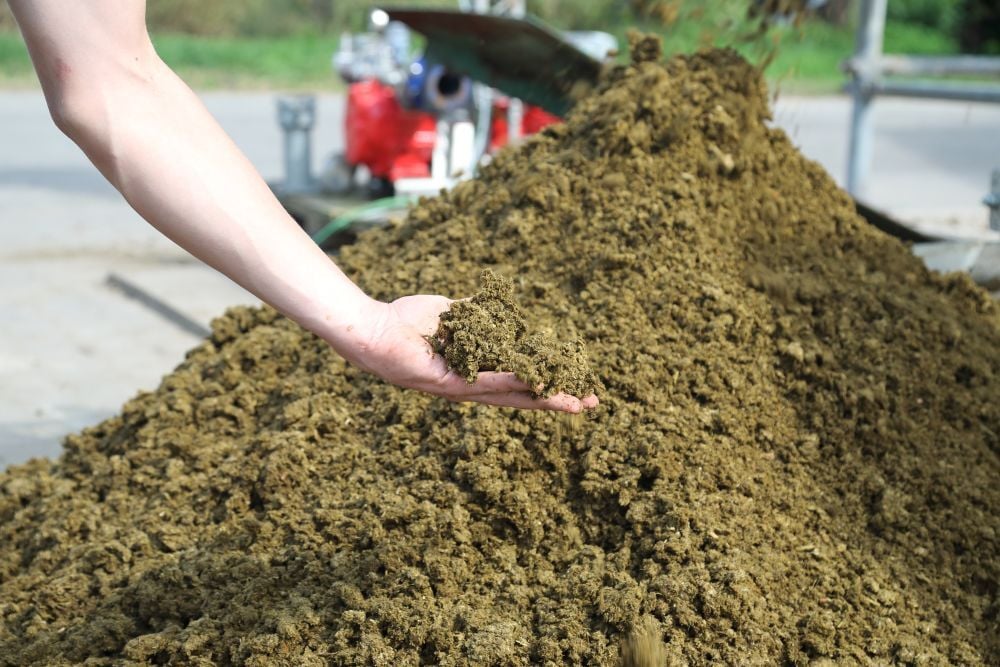
Although the readily available N content liquid slurry is lower than that of synthetic fertilisers, the presence of urine-derived urea significantly increases the proportion of ammoniacal available N, which often exceeds 50 percent of total N. In contrast, the solid fraction or dry matter only contains about 9 percent of readily available N.

“Without separation, the application of N from slurry is far less accurate and less efficient. This study identifies that, with separation, slurry is 41 percent greater in total N than the solid or dry matter that is extracted. This clearly shows that removing the dry matter helps to more accurately establish the N value as well as provide a liquid that can be applied more accurately and directly to the soil where it can be absorbed,” says Mr Hayhurst.
With sustainability goals, increasing fertiliser costs, reducing milk prices and grants available for separators, the information from this study is timely. It reinforces what many have been thinking and should help clarify the full benefits of slurry management to grassland productivity.
More information about the XSplit slurry separator.
Increasing grassland productivity and reducing environmental N losses – Multiple benefits of advanced cattle slurry separation’. Agriculture, Ecosystems & Environment Volume 401.Jincheng Han, Rainer Gasche, Benjamin Wolf, Steffen Schweizer, Noelia Garcia-Franco, Martin Wiesmeier, Ralf Kiese, Ulrike Ostler, Diana Andrade, Michael Schloter, Marcus Schlingmann, Heinz Rennenberg, Michael Dannenmann