
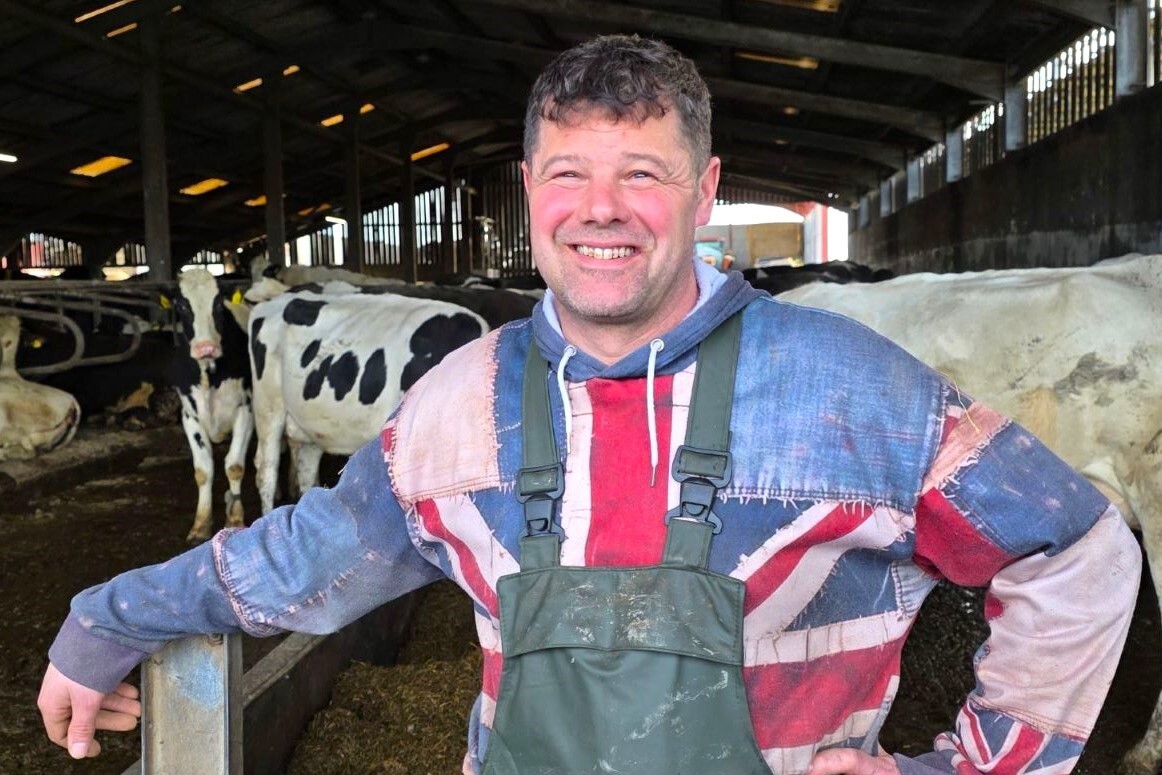
When faced with the need to increase slurry storage and reduce emissions, David Mitchell built a covered earth, banked lagoon. To prevent a crust forming and pump slurry more efficiently, he also installed a separator and is now operating a green bedding system which has brought significant cost savings to the farm.
The family partnership farms 600 acres which is split into three parcels, with the dairy herd housed all year round at Snapewood Farm, near Garstang in Lancashire. David increased his storage to better manage his system and enable the farm to store more slurry from its growing herd of Holsteins.
With 270 in milk from a herd of 300, and 268 followers, the farm needed to increase its slurry storage. Planning permission came with the caveat that the new storage should be covered, which created a potential problem.
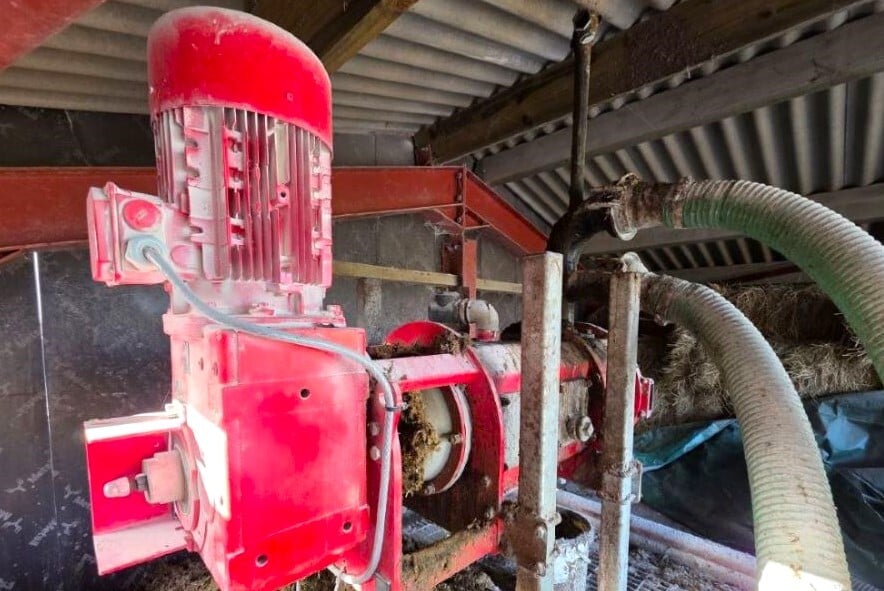
The XSplit is the perfect fit
“Building a covered store was not an issue, but I was concerned about how homogenous and workable the slurry would be. Being undercover meant it would be hard to establish if it was forming a crust and would make mixing it more difficult. This is when I started to consider a separator,” says David.
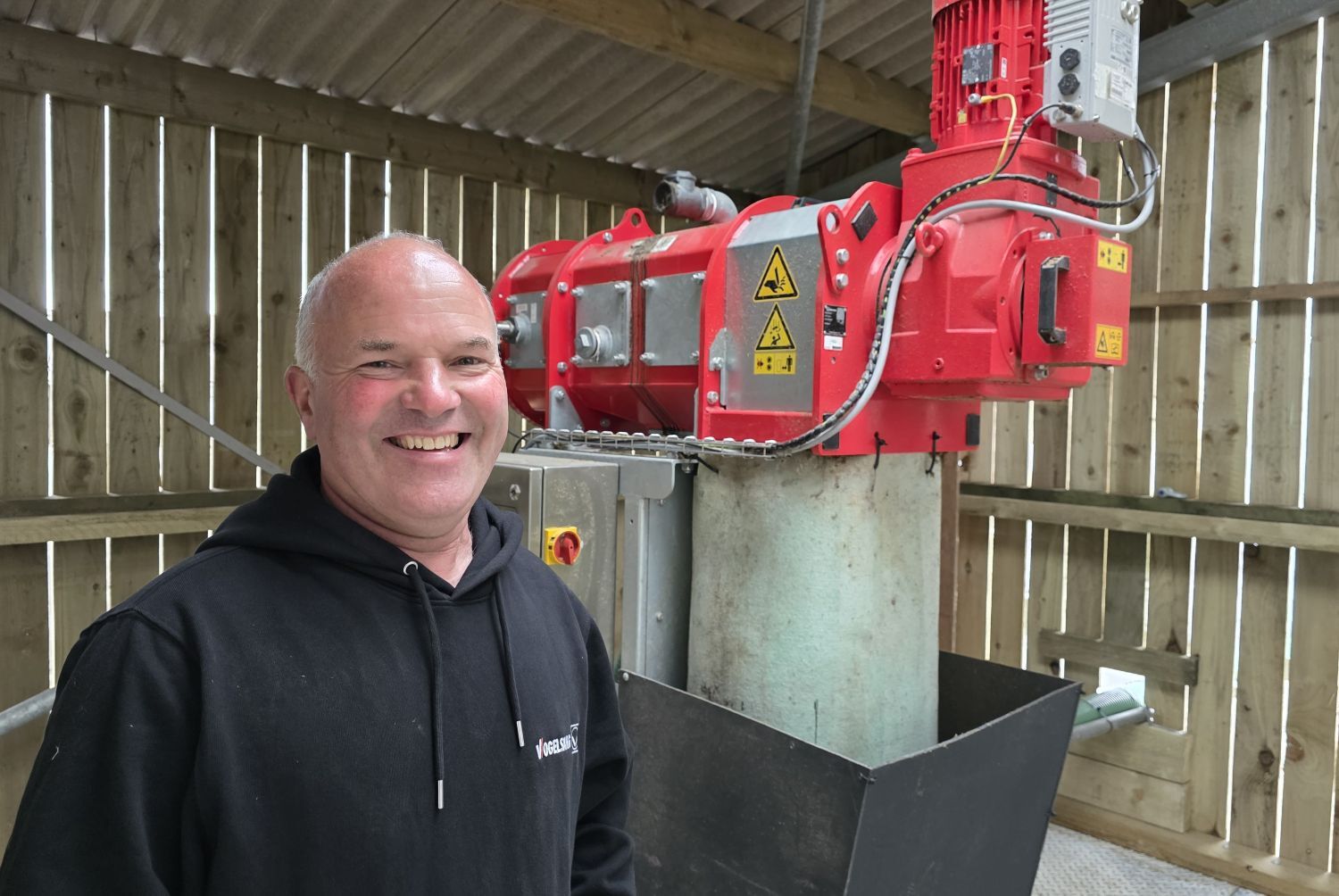
He visited local farms with slurry specialist John Singleton, who had overseen the installation of the Vogelsang XSplit. The XSplit was the perfect fit for David and, with grant funding available, he took immediate advantage to install one.
Green bedding helps with cost savings
“I wanted to prevent a crust forming in the lagoon, butlooking at what others were doing with their separators made me realise therewould be other benefits. Green bedding was the most obvious and, at the time, Iwas spending £120 per tonne on sawdust and going through 30 tonnes every fiveweeks. I worked out I could save nearly £40,000 a year,” he says.
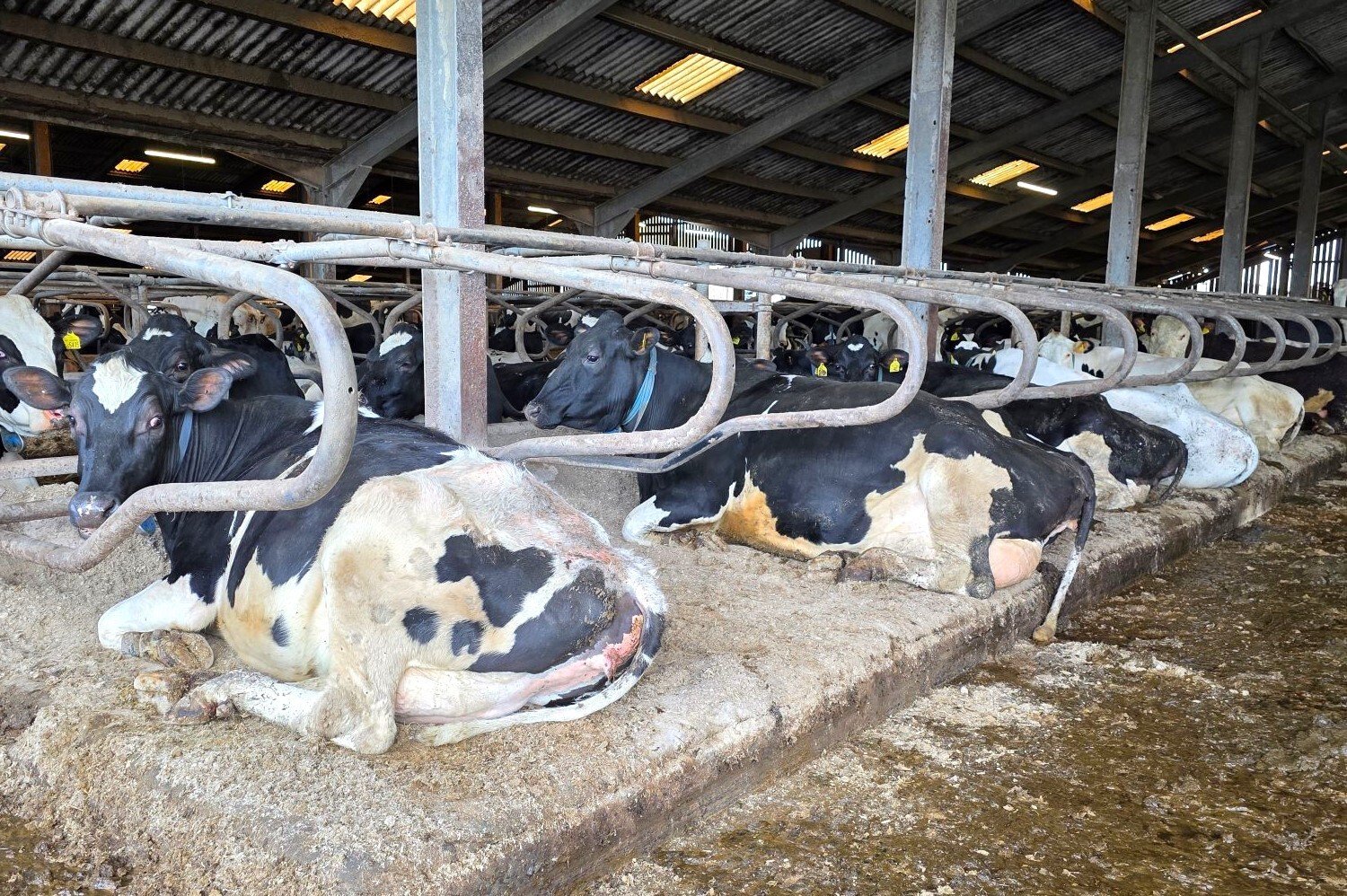
At first, he used the separated material in a similar way tosawdust, but soon appreciated that more was needed to provide comfortablebedding.
“The separated material is not so good in wet conditions, so we put more down, more often than we did the sawdust. It takes a little more labour but, because it is a by-product, we are still making a significant saving. Having deeper bedding is also more comfortable for the cows and, since we adapted the quantity we use, the system is working well,” he says.
Significantly increasing slurry storage
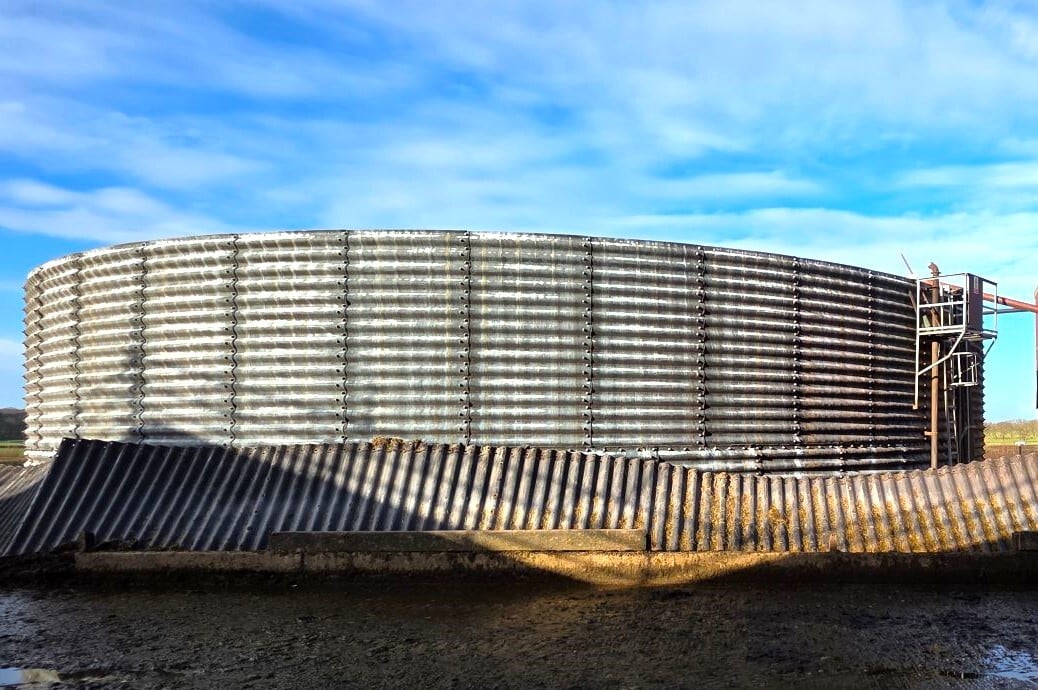
The farm now has 1.6 million gallons of storage, and the separated solid faction is being used for both bedding and as a top dressing for crops. David grows 70 acres of maize and 120 acres of peas and barley, which are planted together as a combinable crop, and just over 400 acres are set aside for zero grazing, silage making and rough grazing.
“We run a multi-cut silage system, taking five cuts and applying slurry after each. Thankfully, conditions in the north west have enabled us to clamp plenty of silage for overwintering but we prefer to feed zero grazed grass as much as possible.
“The liquid from the lagoon is used on grassland because the soil is heavier, but the maize land is sandy, so we use the solid material as atop dressing to put in more organic matter,” he says.
Separated slurry reduces strain on equipment
At up to 22 percent protein, his zero grazed grass is helping drive milk yields to more than 10,000 litres per cow per year. It also has a relatively high ME value, with an average of 12. This has resulted in a high butterfat percentage of 5.35, with milk protein currently at 3.6 percent.
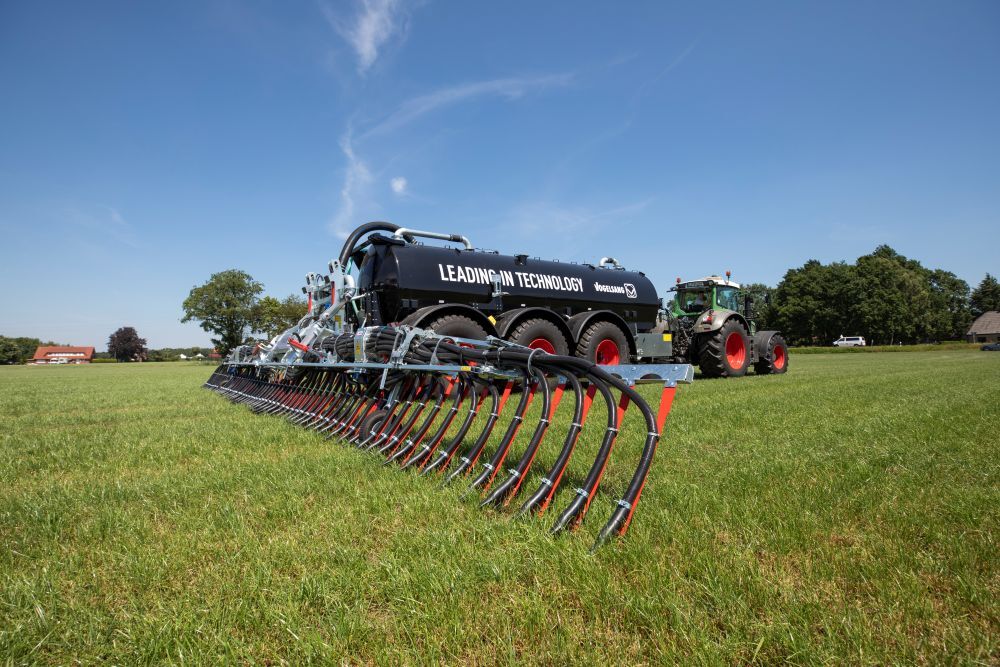
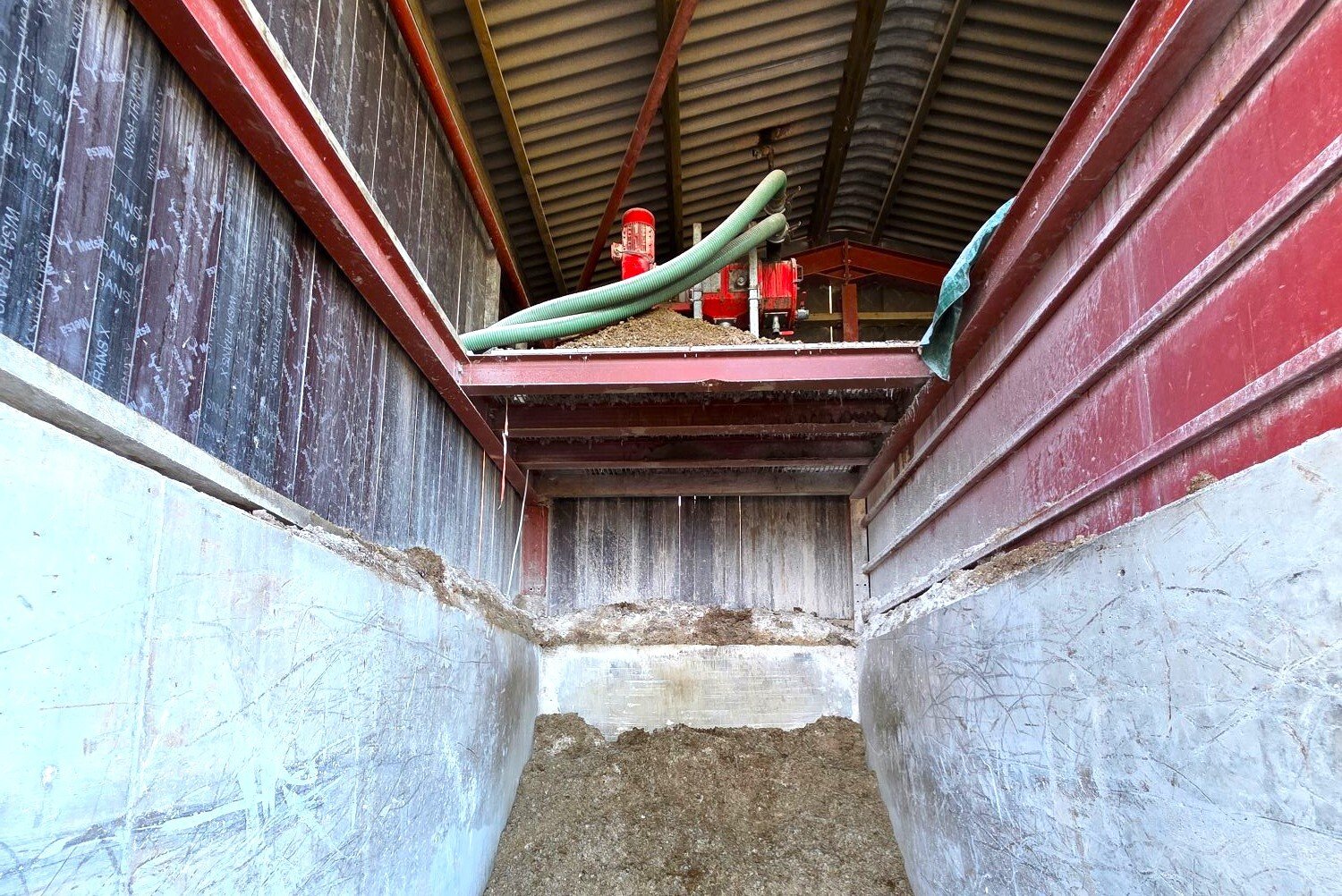
“Our contractors apply 3,500 gallons per acre, five times a year, and we often supplement this on the zero grazed land with additional applications using our own tanker and dribble bar. The separator has helped to reduce the strain on equipment, the liquid faction is much easier to pump and applies more evenly,” he says.
Helping balance the soil pH
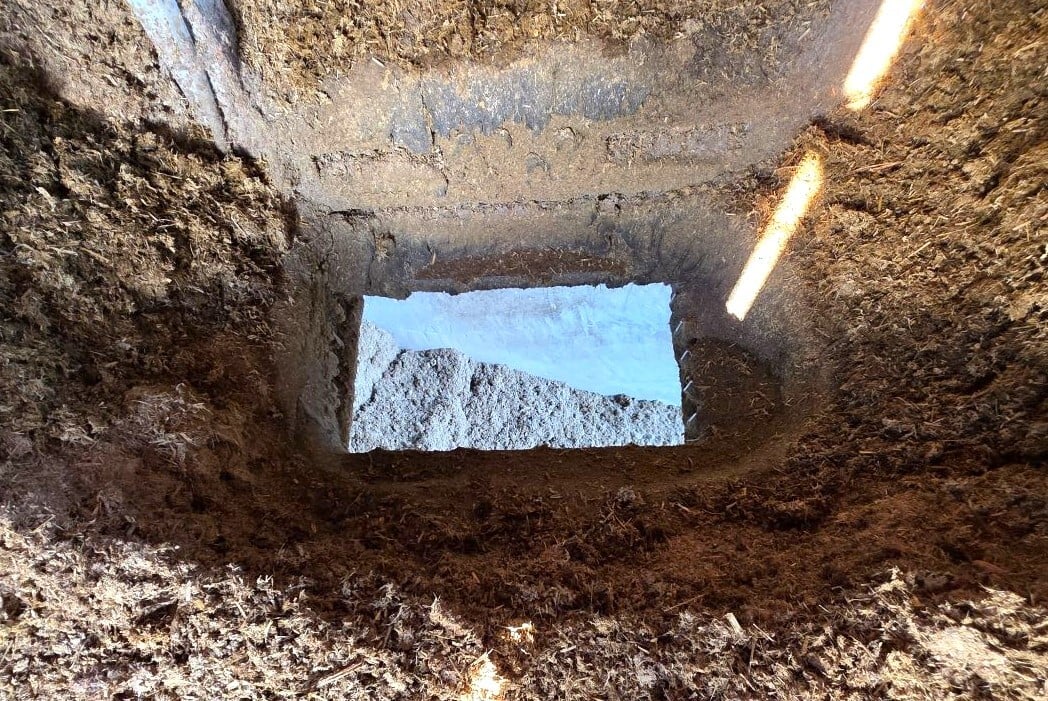
He adds 750 kilos of lime a day when the slurry is separated, which has helped balance his soil pH. The separated liquid is higher in nitrogen, but he suggests the potash value has dropped slightly.
“We store the lime next to the separator to make the mixing process as easy as possible. The drop in potash has been accounted for by using a granular fertiliser and, by separating the liquid, we can apply nitrogen more accurately,” he adds.
Separating slurry has many benefits
Introducing the separator has saved the farm from having to invest in yet more storage and David can comfortably go five to six months without needing to apply slurry.
“Without the separator I would need another one million gallons of storage. Thankfully, that is a cost the farm doesn’t have to bear because the separator is reducing the amount of slurry that needs to be stored. It is a move that has more benefits than we expected and one that will help the farm should we choose to grow in the future,” he concludes.