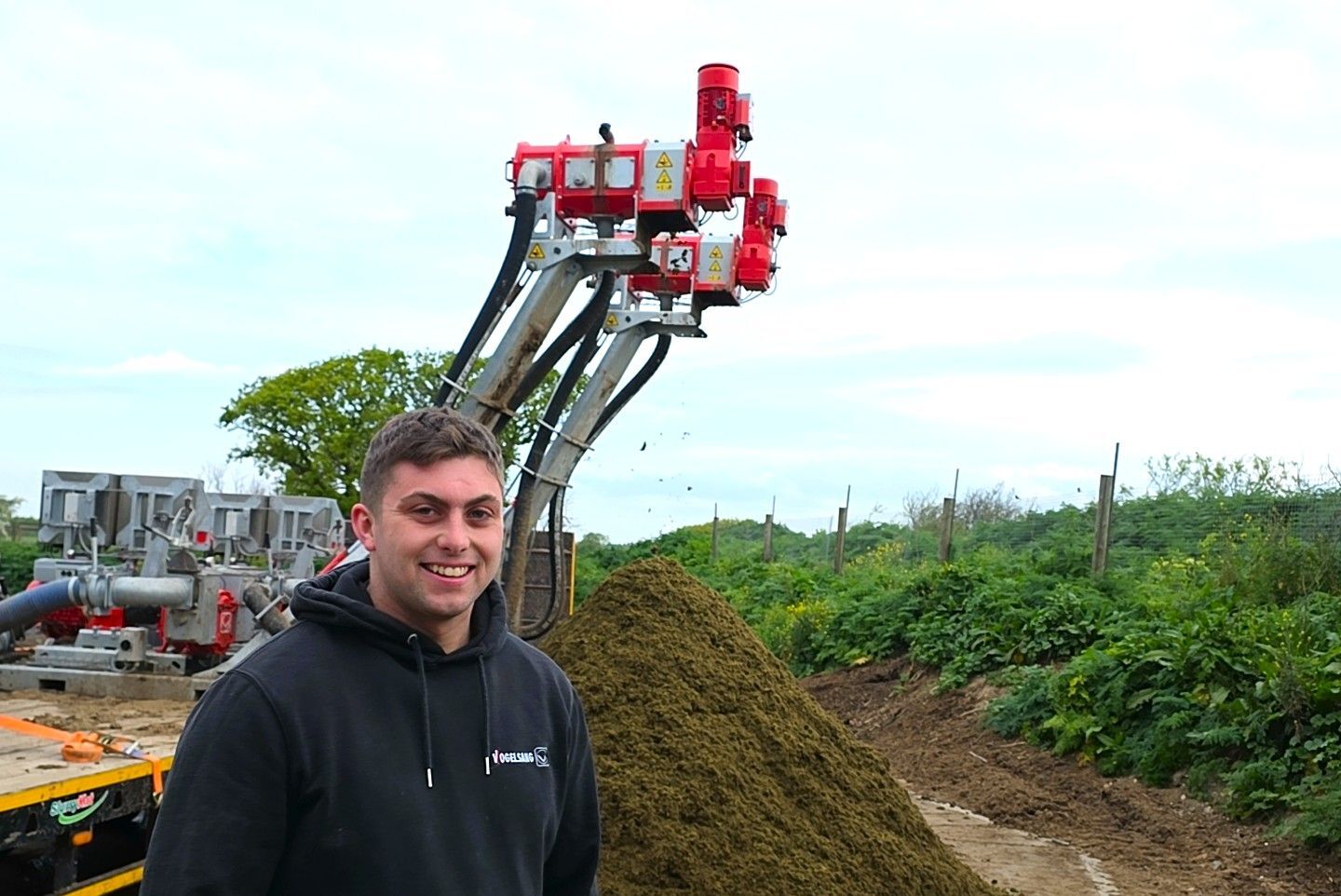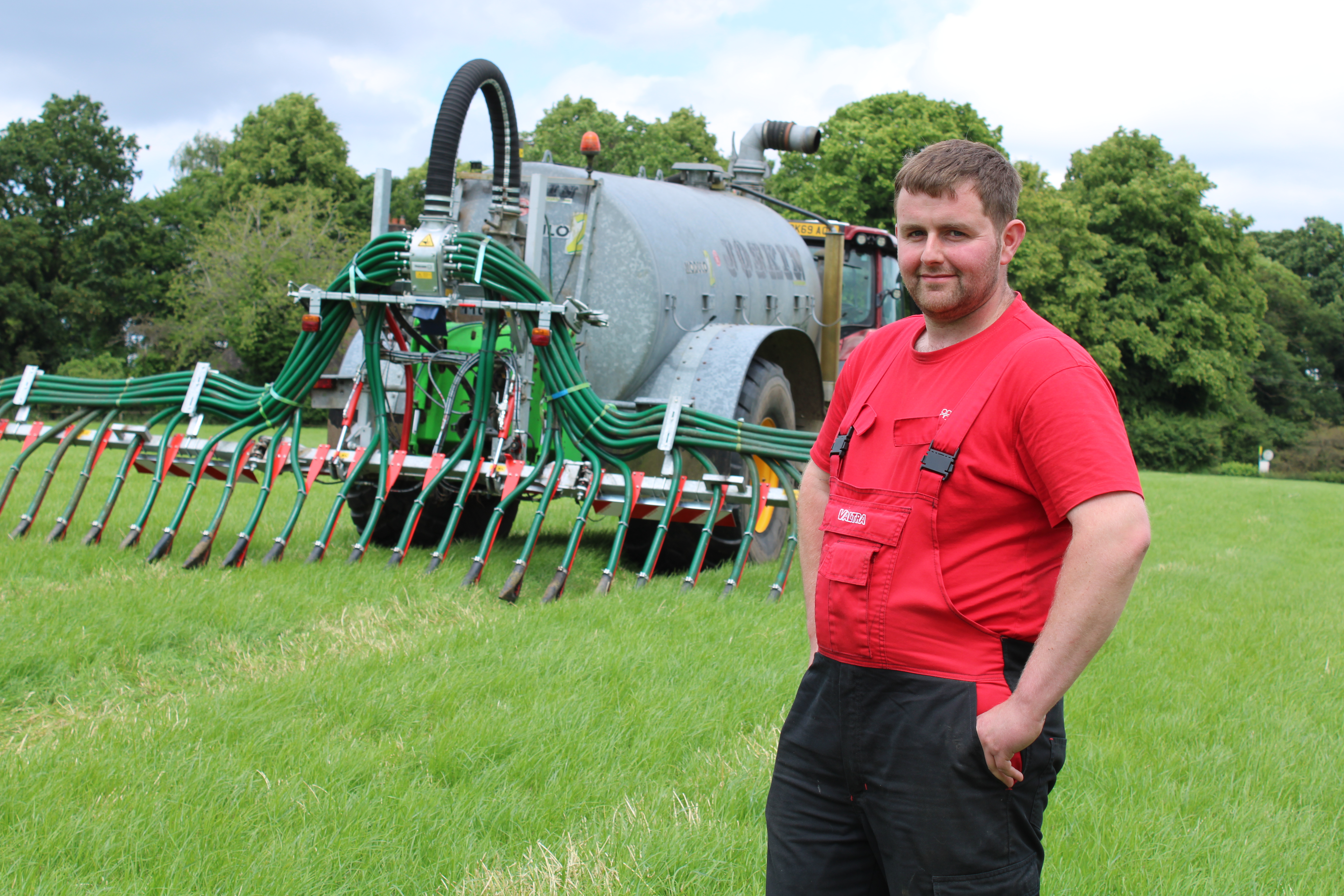

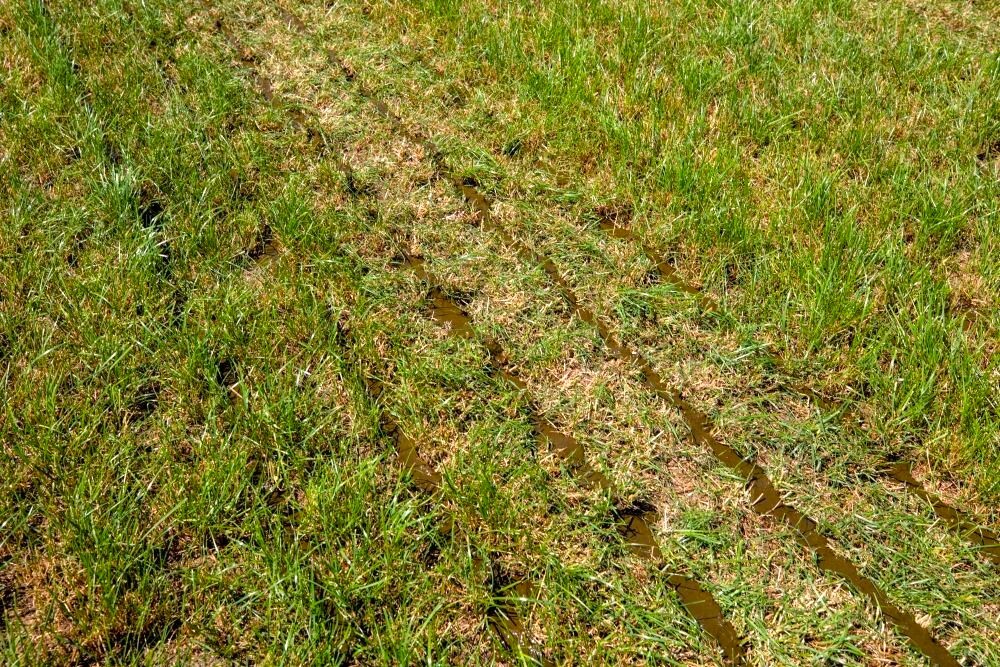
The pressure on farms to better manage phosphorus can be addressed using separation. So says Andy Hayhurst, from Vogelsang, who explains that separation is not just about reducing the strain on storage, but can also be an important measure to reaching phosphorus management guidelines.
“Defra has clearly outlined its plans to reduce total nitrogen, phosphorus and sediment pollution from agriculture into the water environment by at least 40percent by 2038. While the process has been slow to take hold, there are movements being made to put additional pressure on farms, especially those near rivers and watercourses,” he says.
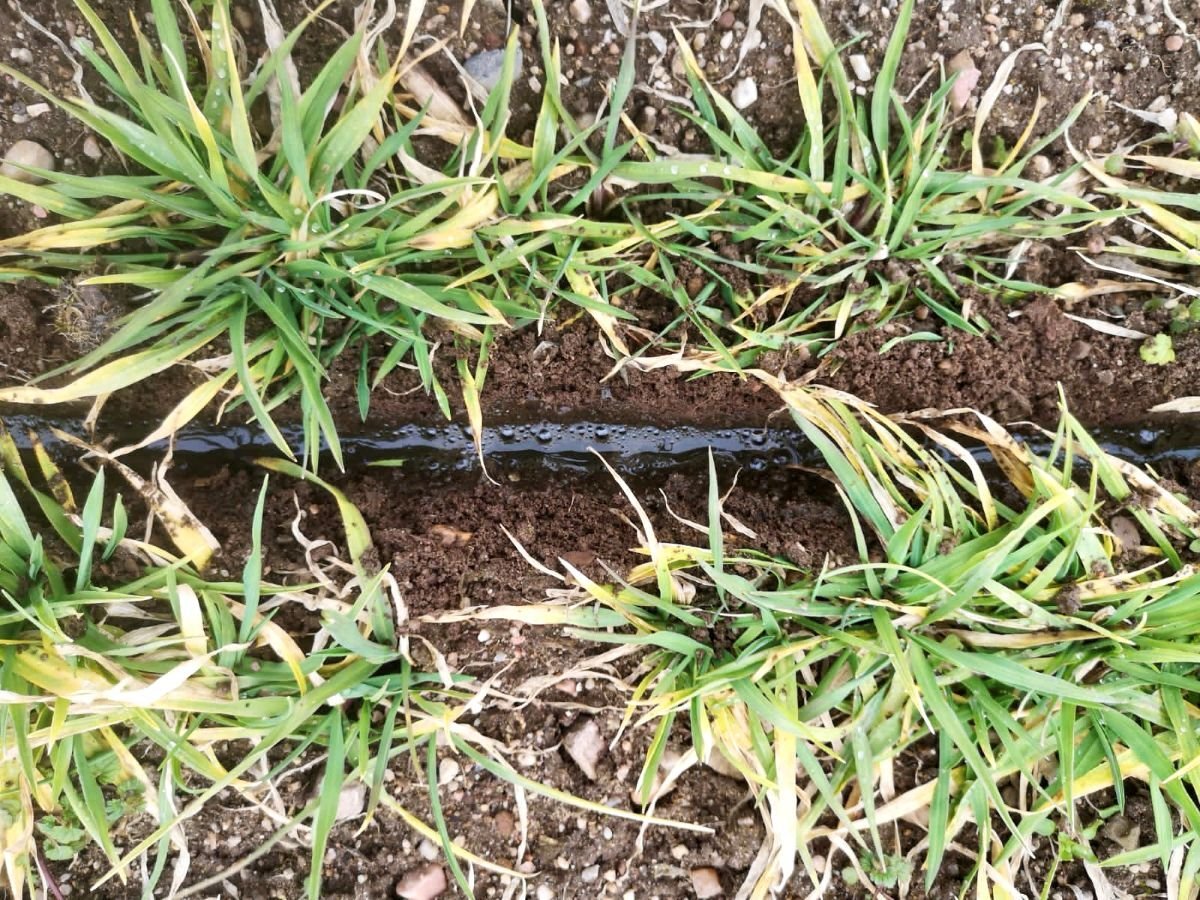
Using a separator such as Vogelsang’s XSplit creates a solid fraction with approximately 40 percent dry matter. The majority of phosphorus in slurry is removed into this solid, making it more manageable.
“Moving unseparated slurry costs more and, with the rise in fuel prices, fertiliser prices and the call from government to better manage phosphorus, there seems no better time to be taking advantage of separation technology,” he adds.
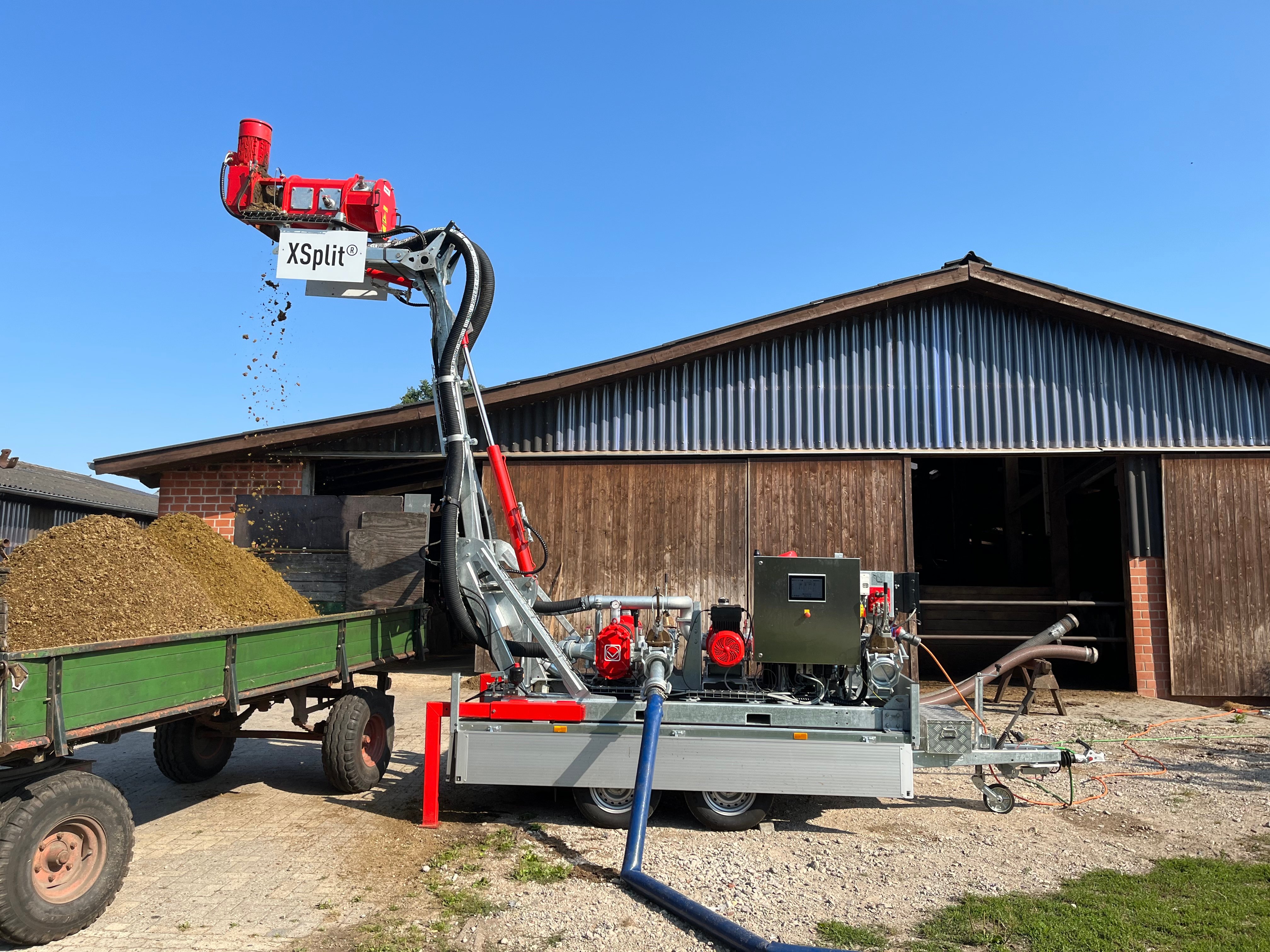
Concentrating phosphorus in the solid fraction leaves the liquid fraction with nearly all the soluble nitrogen (ammonium, nitrates, nitrites) and potassium. This allows for different application rates for the solid and liquid fractions to better match soil and crop needs. It can also reduce the cost of transporting the phosphorus solids over greater distances.
“For farms with land spread over wider areas, there are significant cost benefits to managing phosphorus through separation. Similarly, farms with a variety of crops can better manage phosphorus application by top dressing with a solid fraction that is rich in phosphorus for crops and soils that will benefit, and using the liquid fraction in areas that could be more prone to leaching phosphorus,” says Mr Hayhurst.
More information about the XSplit slurry separator.