
English - Ireland

THE VOGELSANG BLOG

Posts about:

slurry

Vogelsang BackPac Umbilical Dribble Bar Ireland Farming

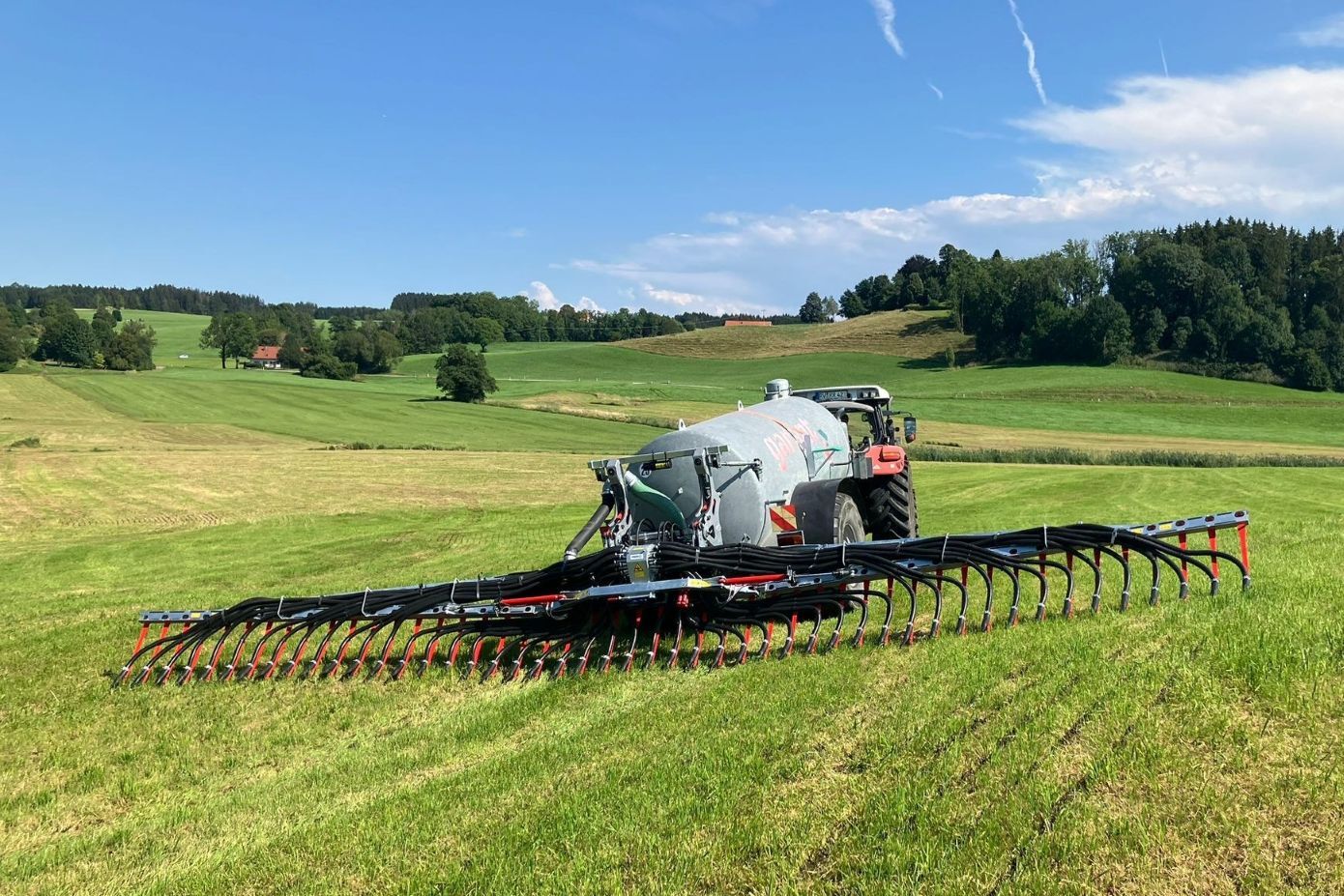
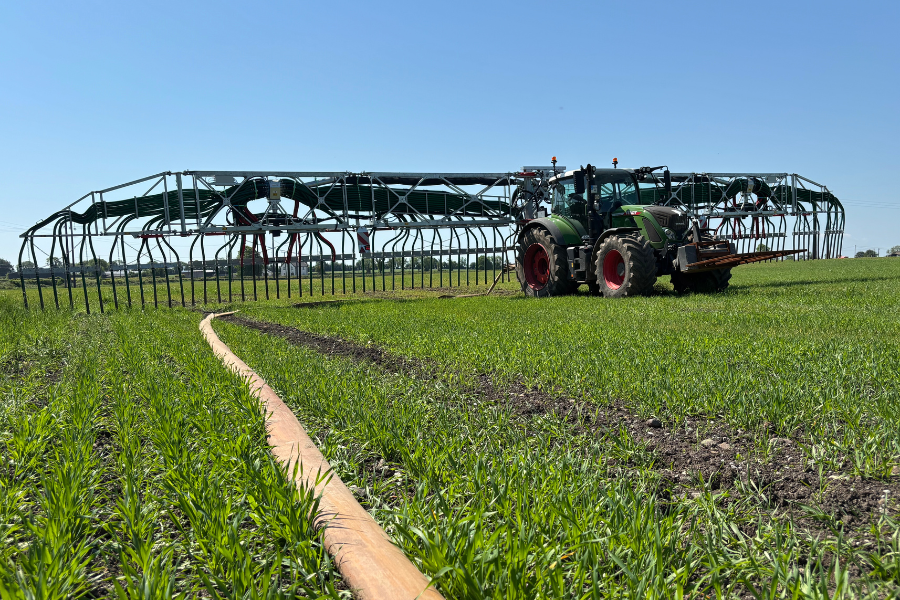
Maximising Slurry Value With the Vogelsang BackPac in Offaly

From rising fertiliser costs to more efficient slurry application, Mattie Moore explains why he upgraded to a 24m Vogelsang BackPac system

For pig and tillage farmer Mattie Moore, getting the maximum value from slurry has always been part of the farming system.

Based in Croghan, Co. Offaly, Mattie runs a mixed enterprise of 1,000 sows alongside 450 acres of cereals, growing barley, wheat and rye. The slurry produced on the pig unit is used to grow crops, while the cereals harvested on farm are fed back to the pigs — creating a fully integrated cycle.

Read More

Tips for better grassland and nutrient management

Efficiency and cost-effectiveness

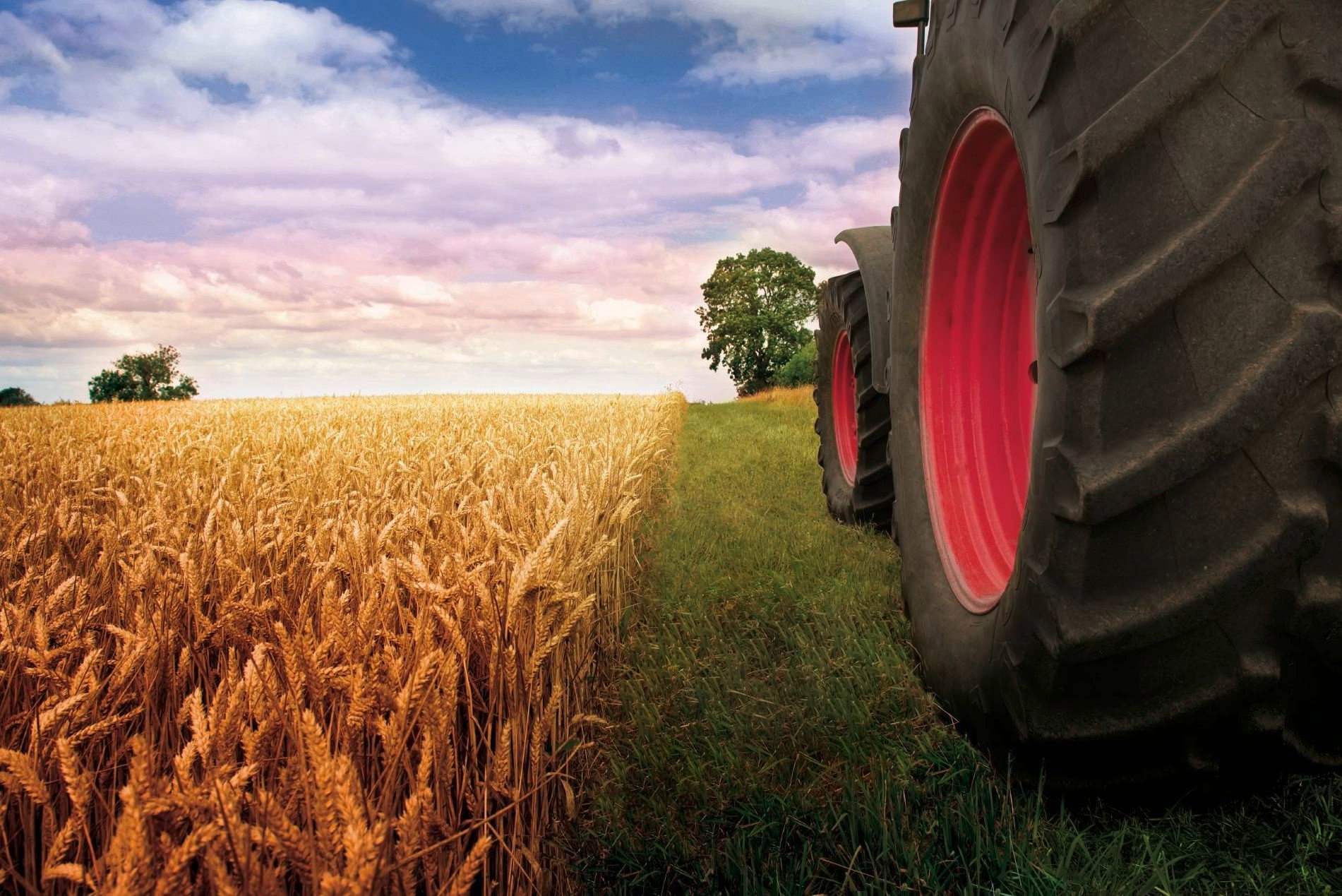
Legal regulations and increasingly extreme weather are shortening the windows available for slurry and digestate application. At the same time, rising fertiliser and diesel costs are putting pressure on farm profitability.

That’s why effective grassland and nutrient management has never been more important, ensuring livestock performance and milk yield are driven by consistent, high-quality forage.

Modern slurry technology from Vogelsang helps farmers make the most of every available window, applying nutrients efficiently and protecting soil conditions.

Read More

Save up to 25% storage with slurry separation technology

The 5 biggest advantages of slurry separation

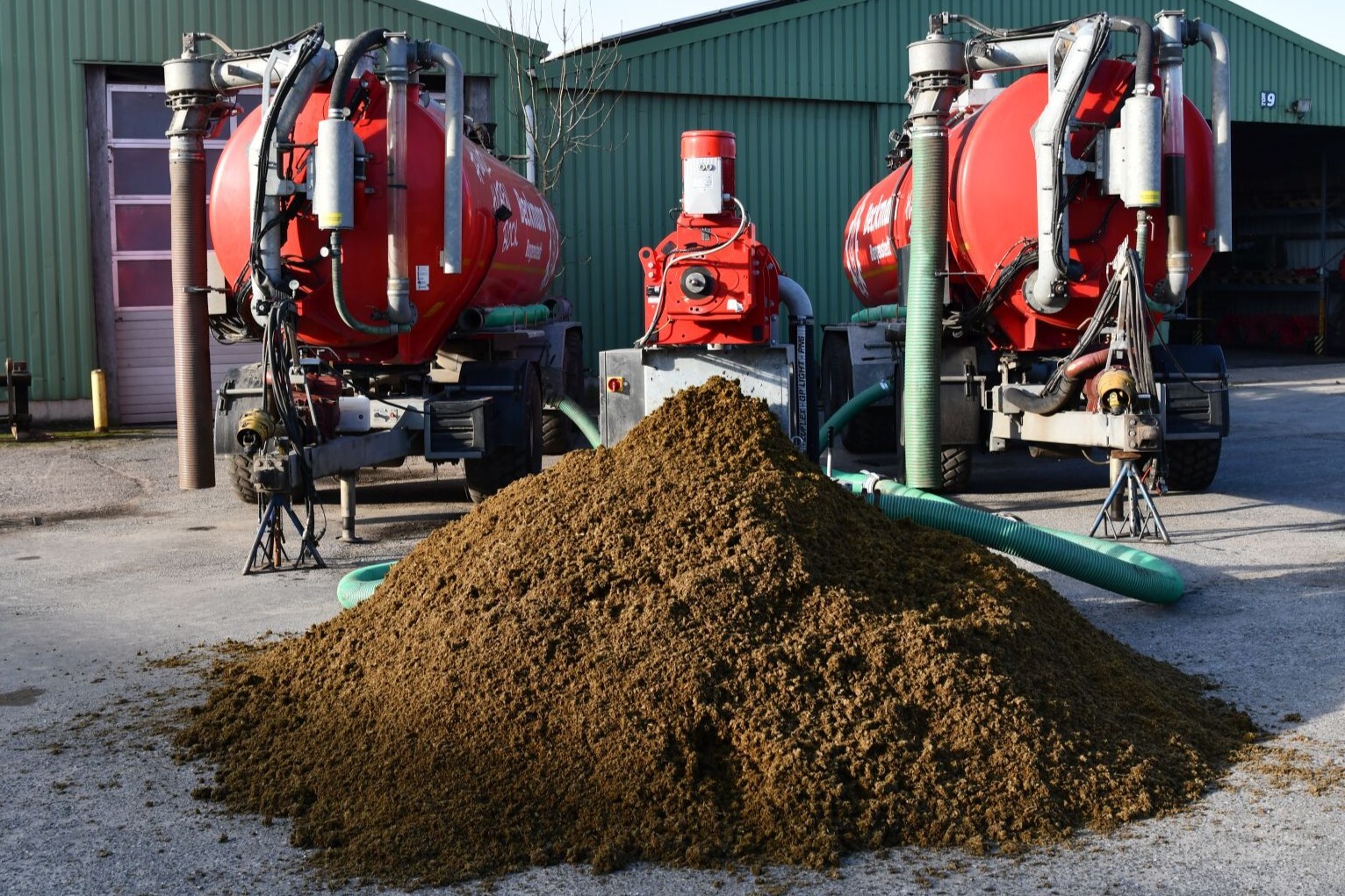
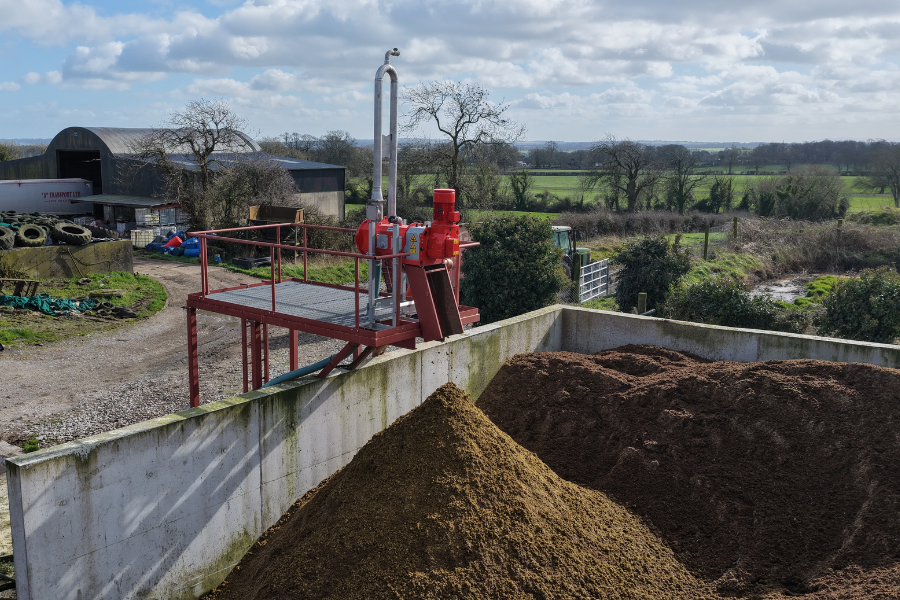
Slurry separation offers farmers numerous operational advantages: in addition to more efficient, plant-friendly application of the liquid phase and the versatile use of the separated solids, one of the biggest advantages of using a separator is the massive savings in storage capacity.

By separating the slurry into solid and liquid components, storage capacity on the farm can be increased by up to 25%! This not only means less space is required, but also that existing resources are used more efficiently. The solid component of the slurry can be transported in a space-saving manner or stored on slabs, while the liquid phase can be pumped directly into storage in the same step. The solid phase can be profitably passed on to biogas plants and used for energy production. 

Read More