%20600x400px.jpg?width=600&height=400&name=vogelsang-flags--vgs5675%20(1)%20600x400px.jpg)
XSplit helps farm improve silage and reduce fertiliser use
A Vogelsang XSplit slurry separator has helped a Yorkshire farm improve slurry application after silage cuts, ease storage pressures and reduce fertiliser use.

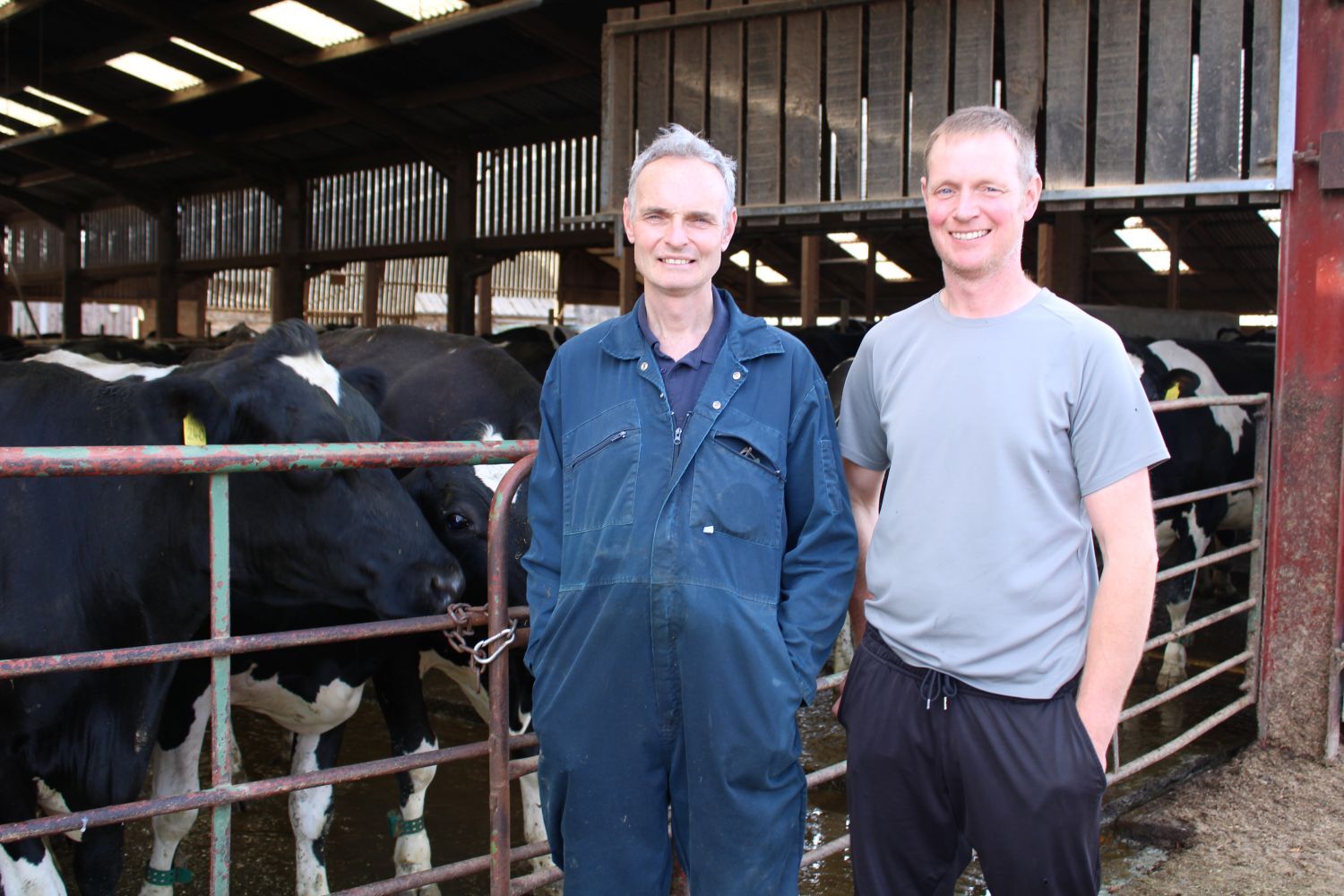
A Vogelsang XSplit slurry separator has helped a Yorkshire farm improve slurry application after silage cuts, ease storage pressures and reduce fertiliser use.
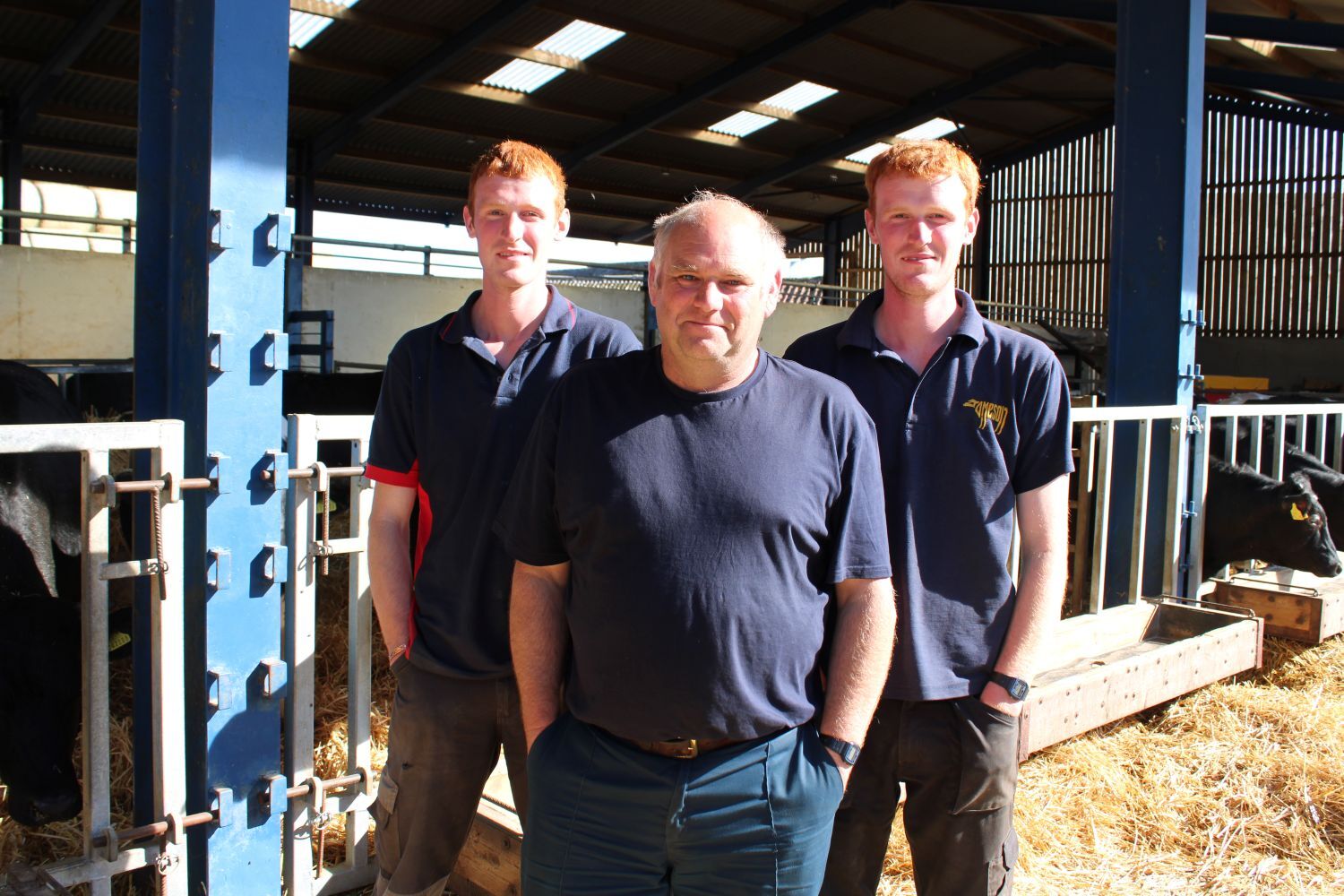
A growing dairy herd has prompted a Yorkshire family to invest in a new lagoon, pumping system and Vogelsang XSplit Compact separator.
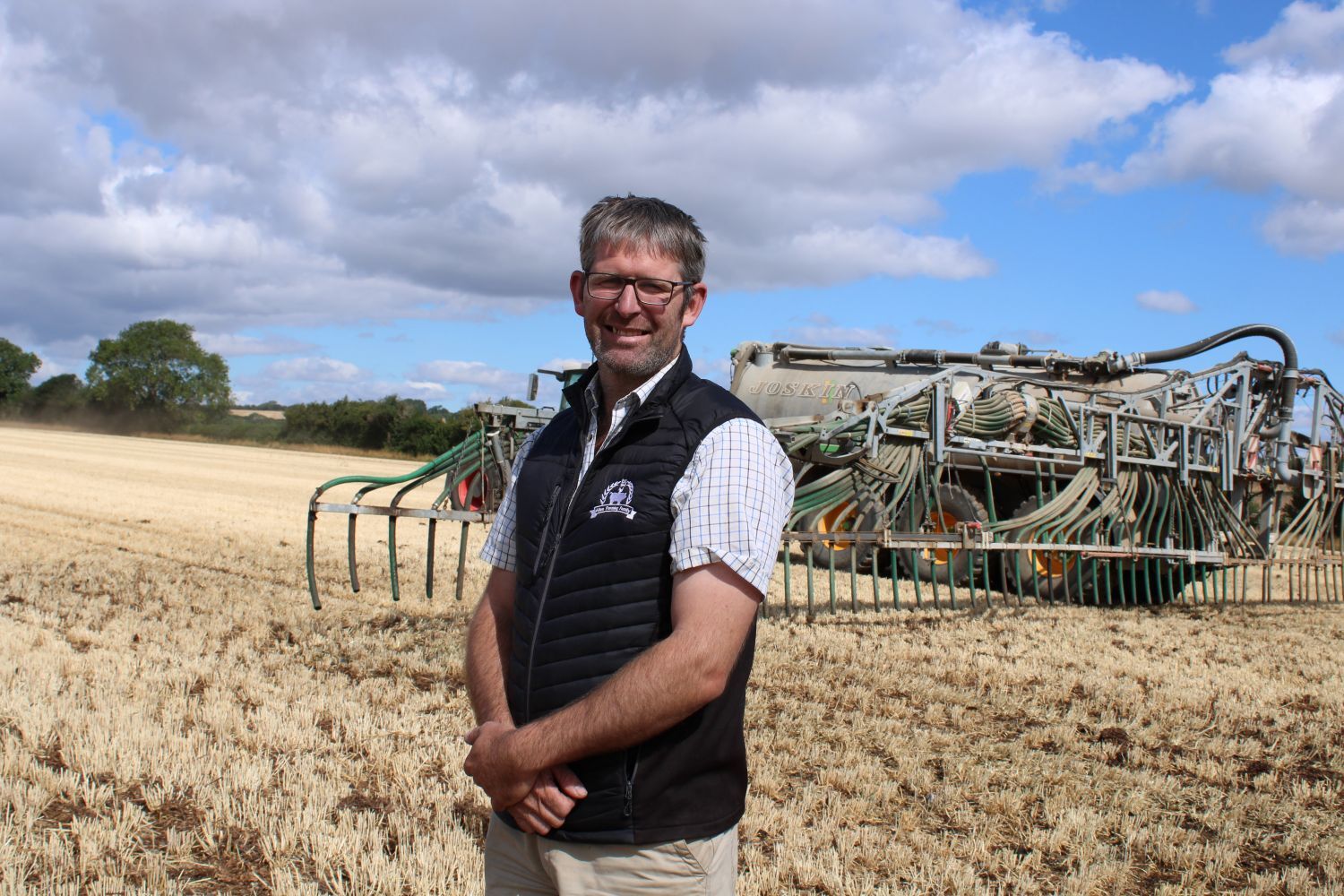
A Vogelsang 30m SwingMax plays a key role in applying around 80,000 m³ of pig slurry across 5,000 acres of Dorset farmland.
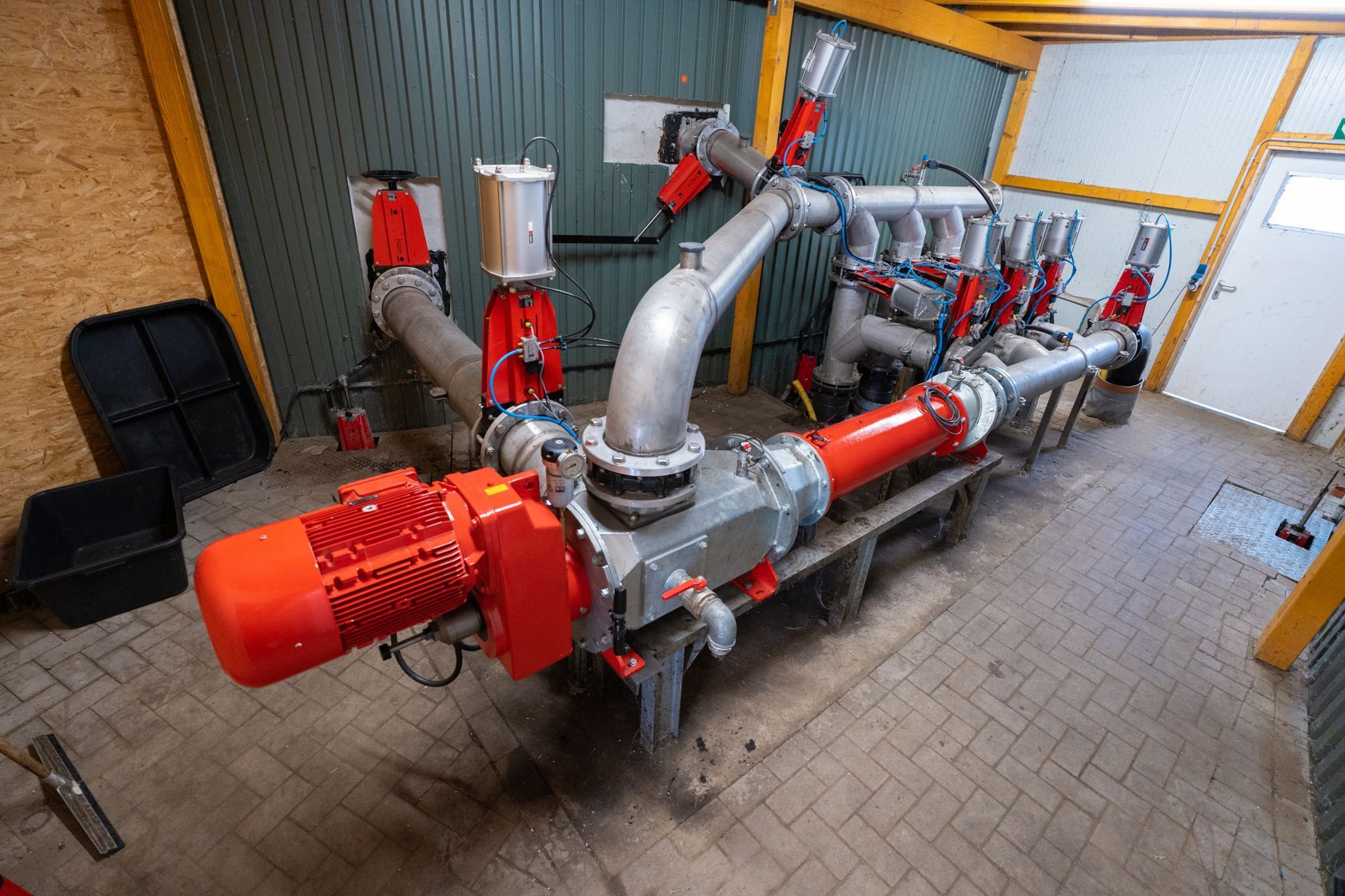
Just outside Breddorf in northern Germany, two livestock and crop farmers jointly operate an AD plant, in which the Vogelsang HiCone progressive cavity pump has dramatically cut their spare parts bill.
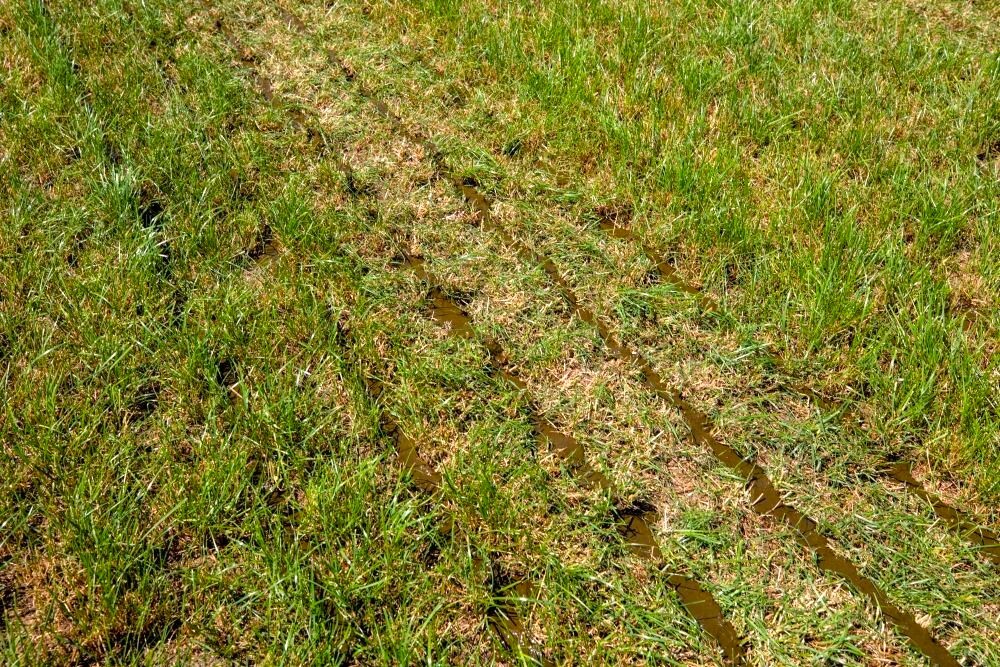
The pressure on farms to better manage phosphorus can be addressed using separation. So says Andy Hayhurst, from Vogelsang, who explains that separation is not just about reducing the strain on storage, but can also be an important measure to reaching phosphorus management guidelines.
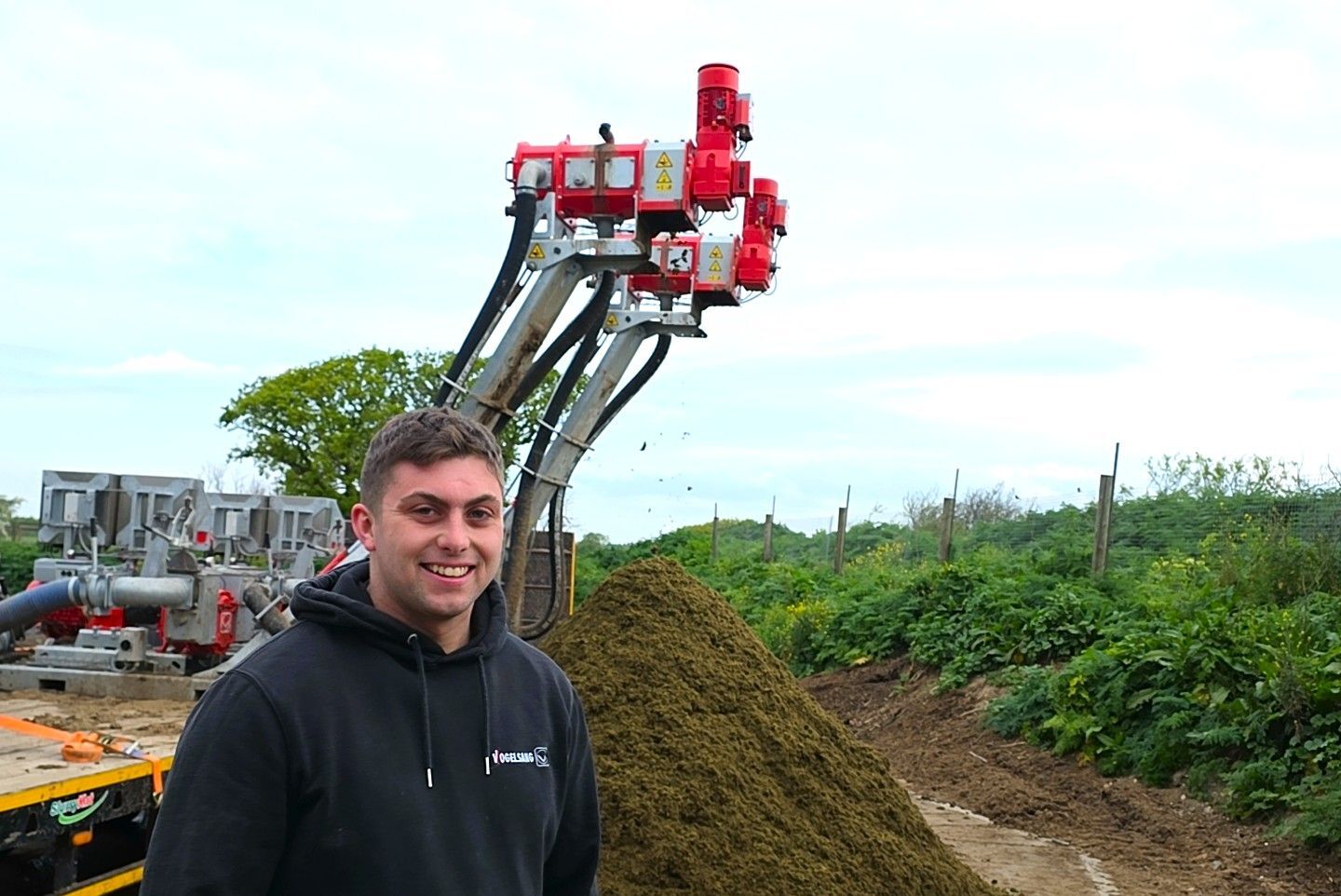
Installing two separators has improved slurry management for a dairy unit milking 680 cows, by increasing storage and helping the wider farm benefit from more accurate nutrient use efficiency.
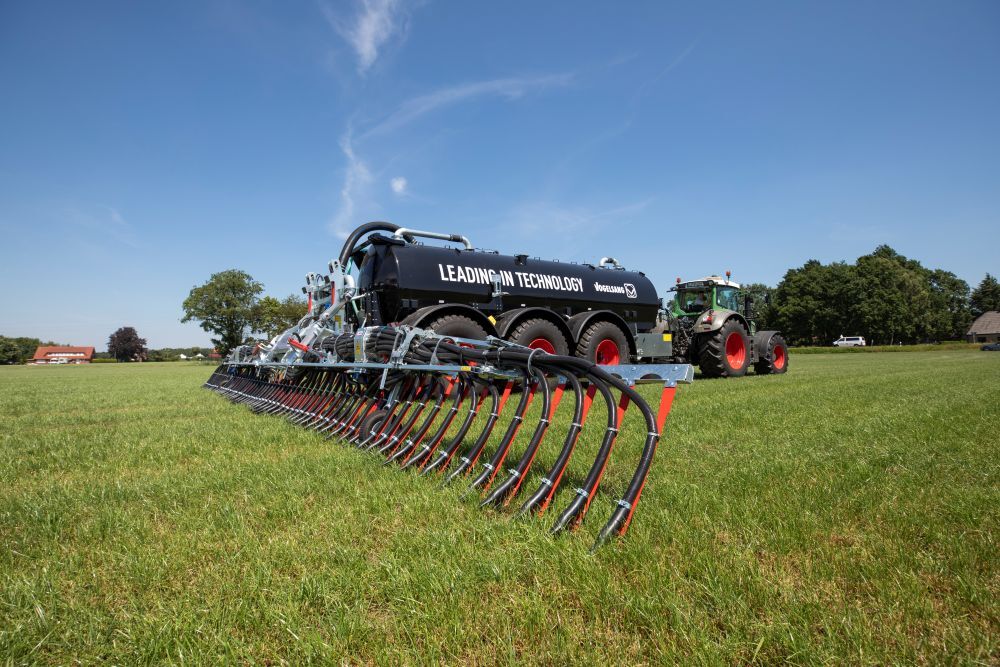
With FETF grants making slurry separators more affordable, there is increased interest in how to make improvements to grassland using separated slurry. This, coupled with another sharp rise in fertiliser prices, presents an opportunity for many dairy farms to make significant savings.
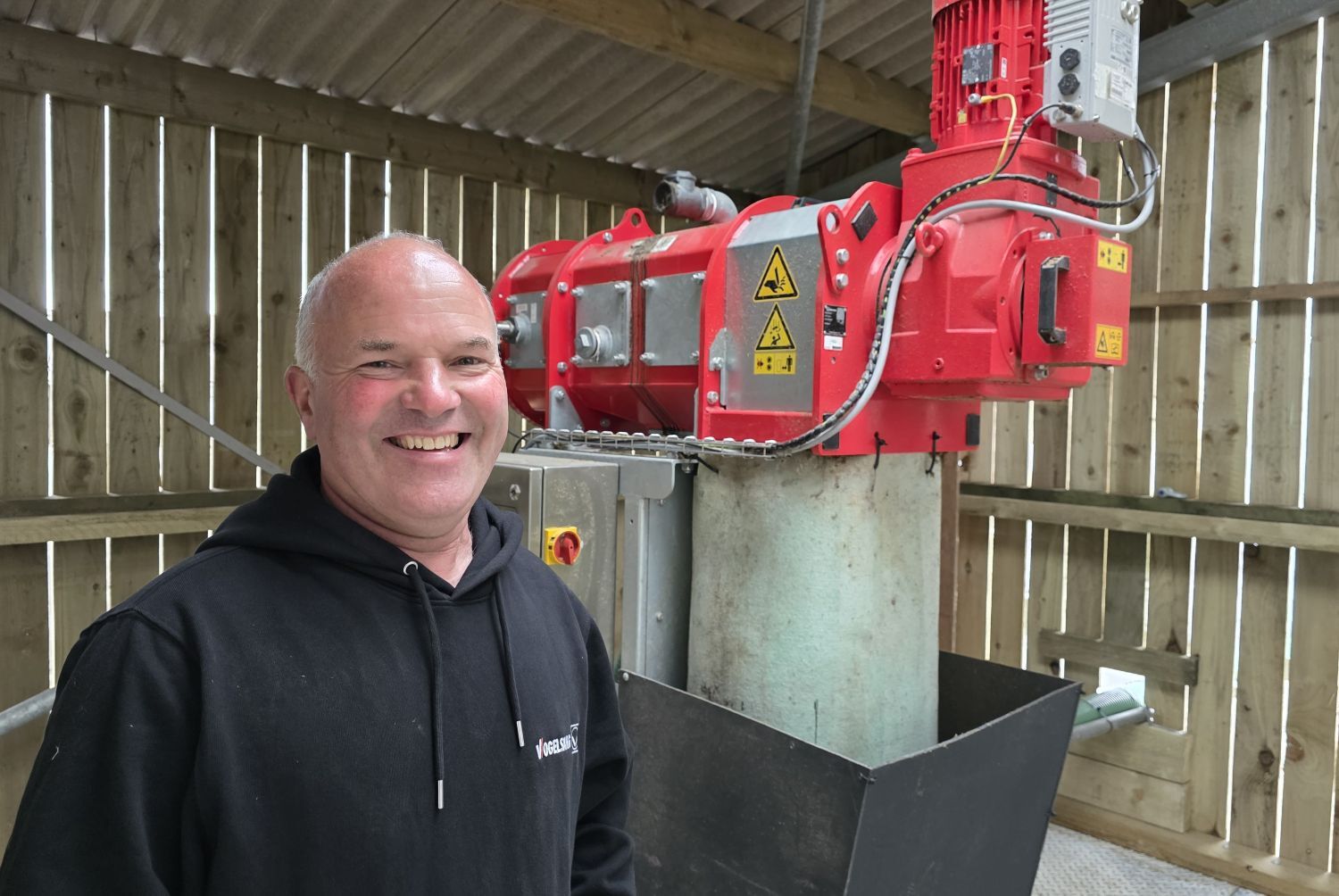
The introduction of a slurry separator that is compatible with single phase electricity has enabled a dairy unit in Devon to reap the benefits of separation and a green bedding system which is cutting costs and helping improve nutrient use efficiency.
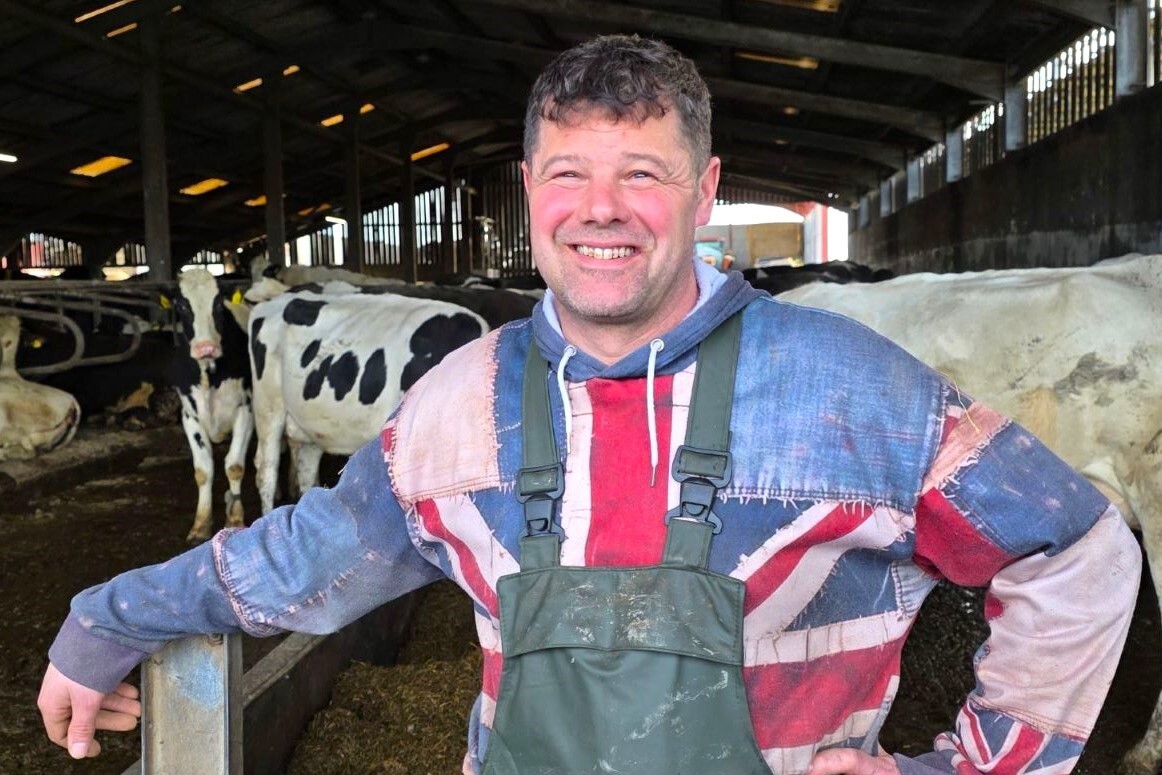
When faced with the need to increase slurry storage and reduce emissions, David Mitchell built a covered earth, banked lagoon. To prevent a crust forming and pump slurry more efficiently, he also installed a separator and is now operating a green bedding system which has brought significant cost savings to the farm.
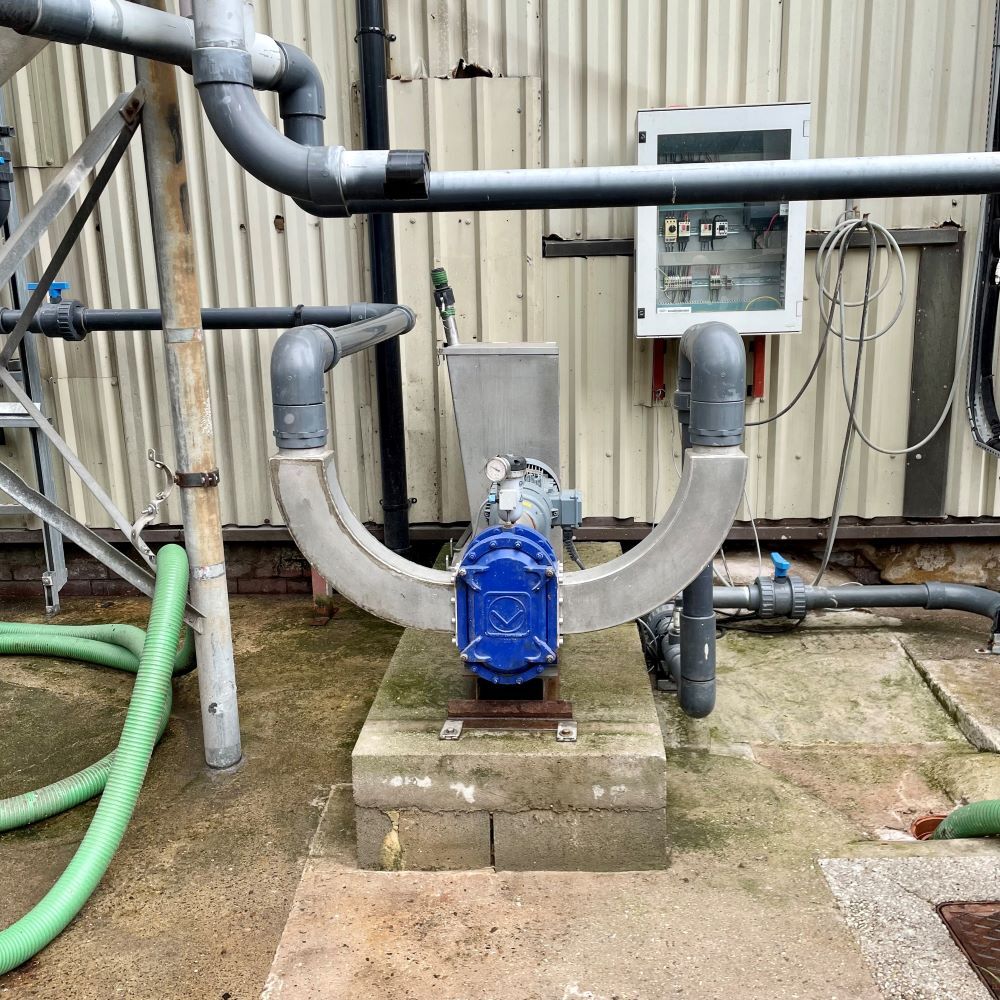
For sausage casing manufacturers, Harder Brothers, producing 115,200,000 meters on average of casings from sheep intestines each year was leaving them with a lot of waste product to dispose of.
Once the casings had been separated, the company was keen to make use of as much of the remaining product as possible. With the rise in use of anaerobic digesters in the UK, sending the separated mucosa from the intestines to a local AD plant seemed like the logical idea.
To move the mucosa out of the casing factory, they needed a pump system that could transport the 25 cubic metres of waste each day into holding silos before it is pumped into tankers to be transported to a biogas plant.


